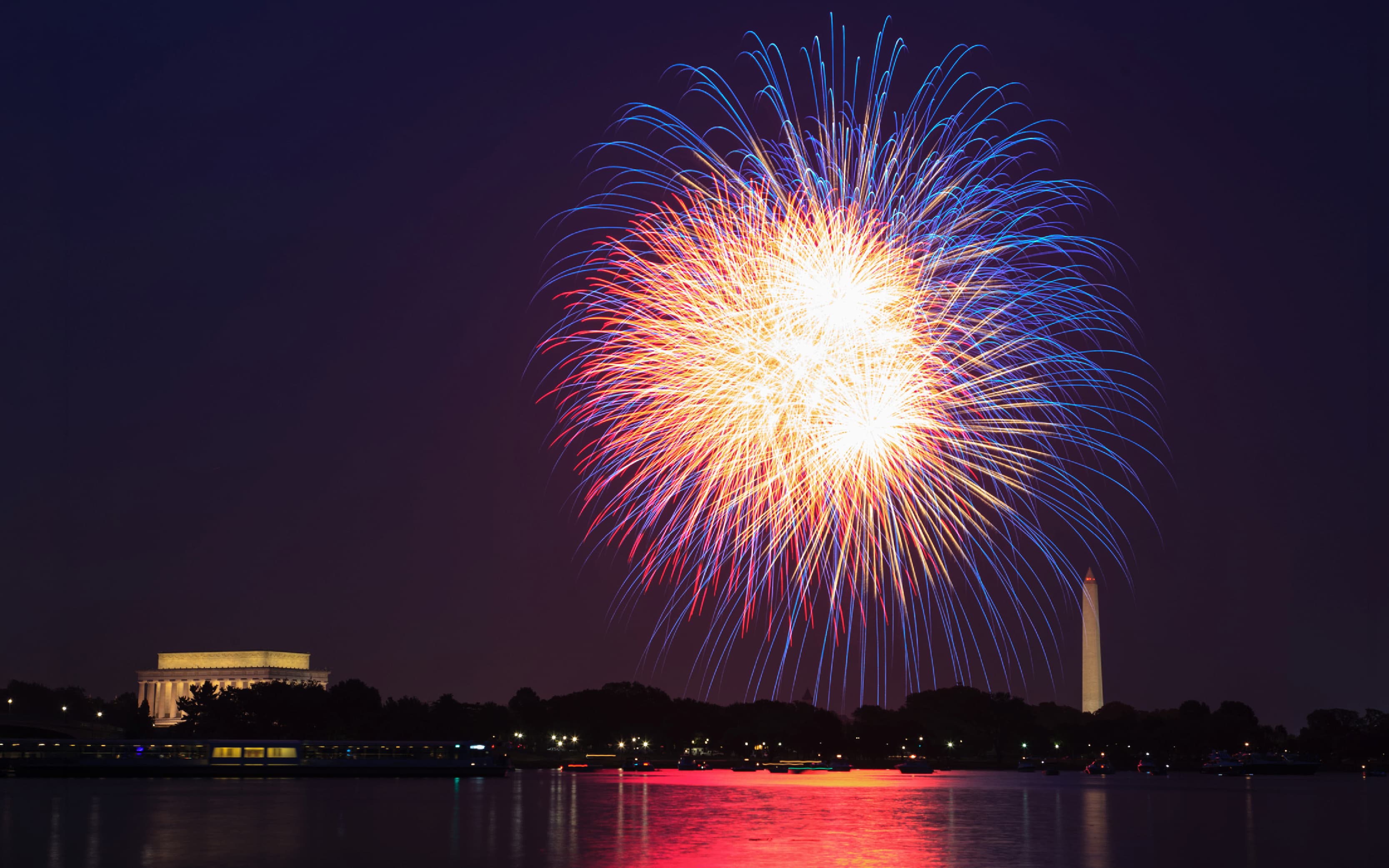
Fireworks exploded as an American tradition on the Fourth of July because of global discoveries made centuries before the Founding Fathers ignited a rebellion.
Many historians credit second-century Chinese alchemists and innovators for creating the first rudimentary fireworks by throwing bamboo stalks into fires; the resulting detonations were believed to ward off evil spirits.
When gunpowder was invented in the ninth century during the Tang dynasty, it not only revolutionized warfare but also sparked the creation of the first man-made illuminations intended for entertainment. By the thirteenth century, Eurasian trade routes like the Silk Road brought gunpowder and pyrotechnics to Europe as part of a vast cross-continental exchange of goods and culture.
Fireworks quickly became a popular way to celebrate religious festivals across Europe. When early European settlers emigrated to the New World, they brought their love for pyrotechnics with them.
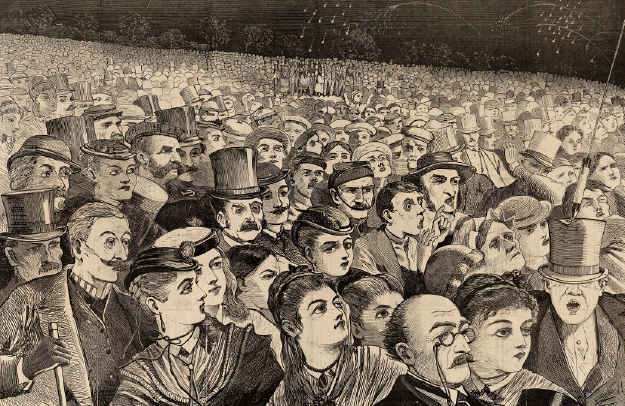 Consequently, fireworks were central to Independence Day celebrations from the moment the nation was born. On July 3, 1776, John Adams wrote excitedly to his wife, Abigail, about the impending adoption of the Declaration of Independence. Adams envisioned a “day of deliverance” that “ought to be solemnized with pomp and parade, with [shows], games, sports, guns, bells, bonfires, and illuminations from one end of this continent to the other, from this time forward, forever more.”
In the letter, Adams acknowledged the “toil and blood and treasure that it will cost us to maintain this declaration,” which is why he hoped that succeeding generations would mark the occasion with a “great anniversary festival.”
True to Adams’s wish, the first Independence Day anniversary in 1777 featured grand fireworks displays in Philadelphia and Boston, each choreographed to both begin and conclude with the synchronized firing of 13 rockets, mirroring the 13 unified colonies. Over the next century, the second president’s letter was frequently reprinted in newspapers nationwide, cementing fireworks as a staple of patriotic celebration.
During the eighteenth century, fireworks celebrations were largely limited to major cities where they could be easily sourced. Early celebrations relied heavily on firing actual military cannons and muskets; however, due to rampant public safety hazards, town councils began systematically banning artillery fire on local commons. This structural shift forced a reliance on pyrotechnic illuminations to provide the necessary holiday noise and spectacle.
By the nineteenth century, supply chain access expanded significantly. This market boom was further aided by 1830s advancements in chemical engineering that introduced potassium chlorate and metallic salts to production lines, adding reds, blues, and greens to displays that had previously been limited to gold and white. Armed with a brilliant new color palette, small towns everywhere began commemorating the Fourth with displays that brought a spectacular and noisy climax to a full day of civic events.
The industry reached a poetic milestone during the nation’s jubilee anniversary on July 4, 1826, when a massive surge in fireworks production illuminated skies nationwide on the exact day that both Adams and Thomas Jefferson passed away, just hours apart.
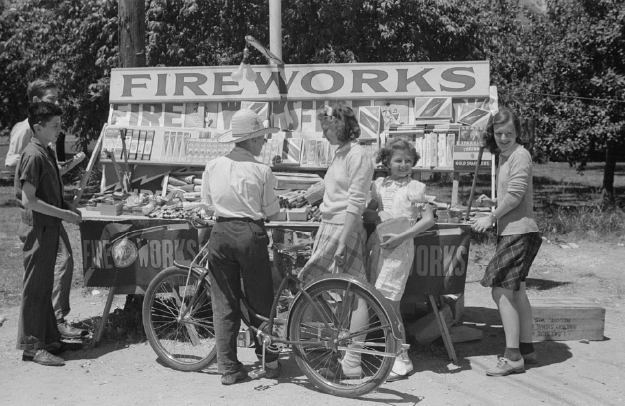 By the post-Civil War era, the commercial market had matured. Nineteenth-century merchants nationwide began stocking shelves and storefront tables with explosives, drawing long lines of eager customers. In 1866, two Washington, DC, firms reported selling an aggregate of about $250,000 worth of fireworks—the equivalent of roughly $5 million today.
In 1898, a journalist declared, “The American Fourth of July is the greatest event the maker of firecrackers knows.” But that enthusiasm carried a steep cost. Detonating explosives in dense crowds resulted in hundreds of deaths and injuries each year, prompting newspapers to routinely publish grim post-holiday casualty lists.
Relief arrived in 1903 via the Safe and Sane Celebrations movement, which successfully curbed accidents by championing local and state regulations. Stricter regulations forced the annual holiday death toll down to 30 by 1916. By 1953, 28 states had enacted firework laws, while 14 others and the District of Columbia limited sales to items deemed safe.
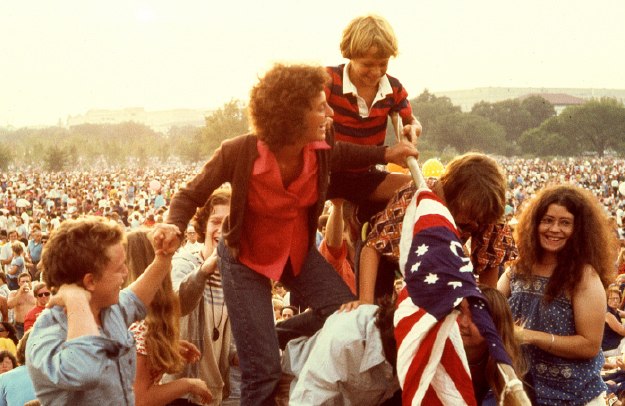 The summer ritual underwent a profound structural and technological evolution during the 1976 Bicentennial. With consumer restrictions firmly established, communities pivoted from individual neighborhood firecrackers toward centralized, publicly sponsored municipal spectacles designed to unite historic crowds.
In Washington, DC, 1 million spectators blanketed the National Mall to witness a 30-minute extravaganza that launched a record-breaking 33,000 fireworks over the Washington Monument.
The Bicentennial also acted as a tech catalyst: Major metropolitan displays pioneered the use of electronically timed firing systems synchronized to live orchestral broadcasts. This historic milestone permanently redefined the Fourth of July from a hazardous personal pastime into a highly choreographed, collective multimedia experience.
Efforts to institutionalize safety and centralize the spectacle never extinguished the summer ritual. In 2026, backyard fireworks—and their inherent risks—remain as central to Independence Day as Old Glory itself.
Fireworks at a Glance:
- America’s firework industry generates more than $2 billion in annual revenue, with domestic spending in the lead-up to Independence Day more than quintupling since 2000.
- In 2025, Americans purchased 322 million pounds of fireworks.
- 99% of fireworks in the United States are imported from China, which remains the world’s largest producer of pyrotechnics.
- Massachusetts is the only state in the nation to maintain a total ban on consumer fireworks.
- About 14,700 people were treated for fireworks-related injuries on Independence Day 2024, with the most common emergency room visits resulting from burns to the hands, fingers, face, and ears.
- The America250 Fourth of July display on the National Mall is projected to break the Guinness World Record for the largest fireworks show in history.