You are here: American University Baker School of Education News & Events Michelle Arquines Helps Educational Systems Improve Instruction for Multilingual Learners

Education

Michelle Arquines, MAT '08, Helps Educational Systems Improve Instruction for Multilingual Learners
By  | 

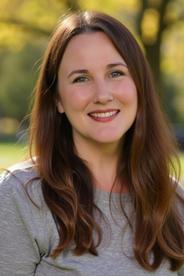
Michelle Arquines, CAS/BA ’06, Baker/MAT ’08

Michelle Arquines, CAS/BA ’06, Baker/MAT ’08, grew up in a family with very limited resources and understood early that education was her path toward a fuller life. That understanding has shaped a career devoted to educational equity for multilingual learners and other historically marginalized students in U.S. classrooms.

At the center of her approach is a simple belief: “Too often, English language proficiency is mistaken for intellectual ability.” Rather than asking whether a student can do a task, she asks educators what language the task requires and what supports will help the student participate. “The goal is not to simplify the thinking; it is to make the thinking more accessible,” she said. She also advocates for translanguaging, which helps students draw on their home languages as a bridge to English.

Her vision reaches beyond instruction. Arquines believes classrooms can be “a microcosm of the world that we hope students will inherit, where curiosity is encouraged, people listen to each other’s ideas, and students have access to experiences that broaden what they believe is possible for themselves.”
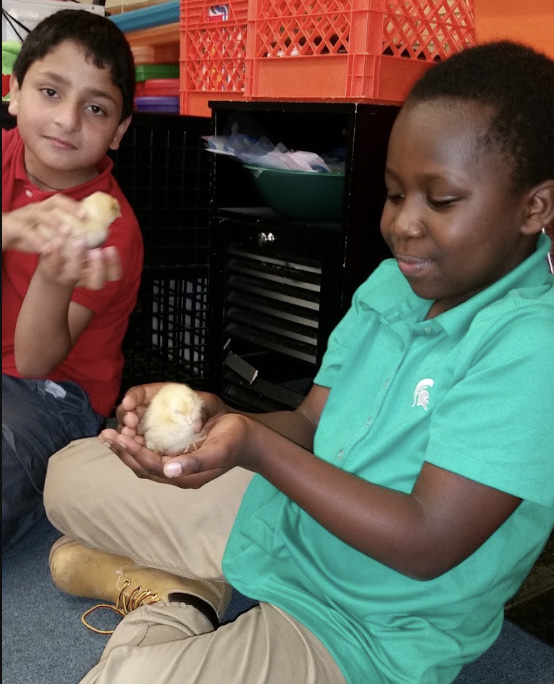
Her most vivid reminders of why the work matters come from her own classroom. Arquines once taught three brothers in Philadelphia whose family had fled violence, instability, and persecution. As their English developed, she watched them “gradually become kids again.” During a class project on embryology, where the class was hatching chicks from an incubator, one brother ran over, beaming, with a sleeping chick in his hand. “Ms. Arquines! Ms. Arquines! Chicken sleeping!” he announced. The grammar wasn’t perfect, she recalled, but his English had become a way to share his joy.

Today, Arquines brings that perspective to schools and systems across the country. She works with Children’s Literacy Initiative (CLI), supporting schools as they strengthen literacy instruction and educator capacity. Her recent partnership work helped a Florida school improve from a D rating to an A rating through intensive coaching, data-informed instructional planning, and targeted literacy support. Through CLI, she also consults with Berkeley County Schools in West Virginia, helping new teachers build instructional capacity as part of the district’s five-year strategic plan.

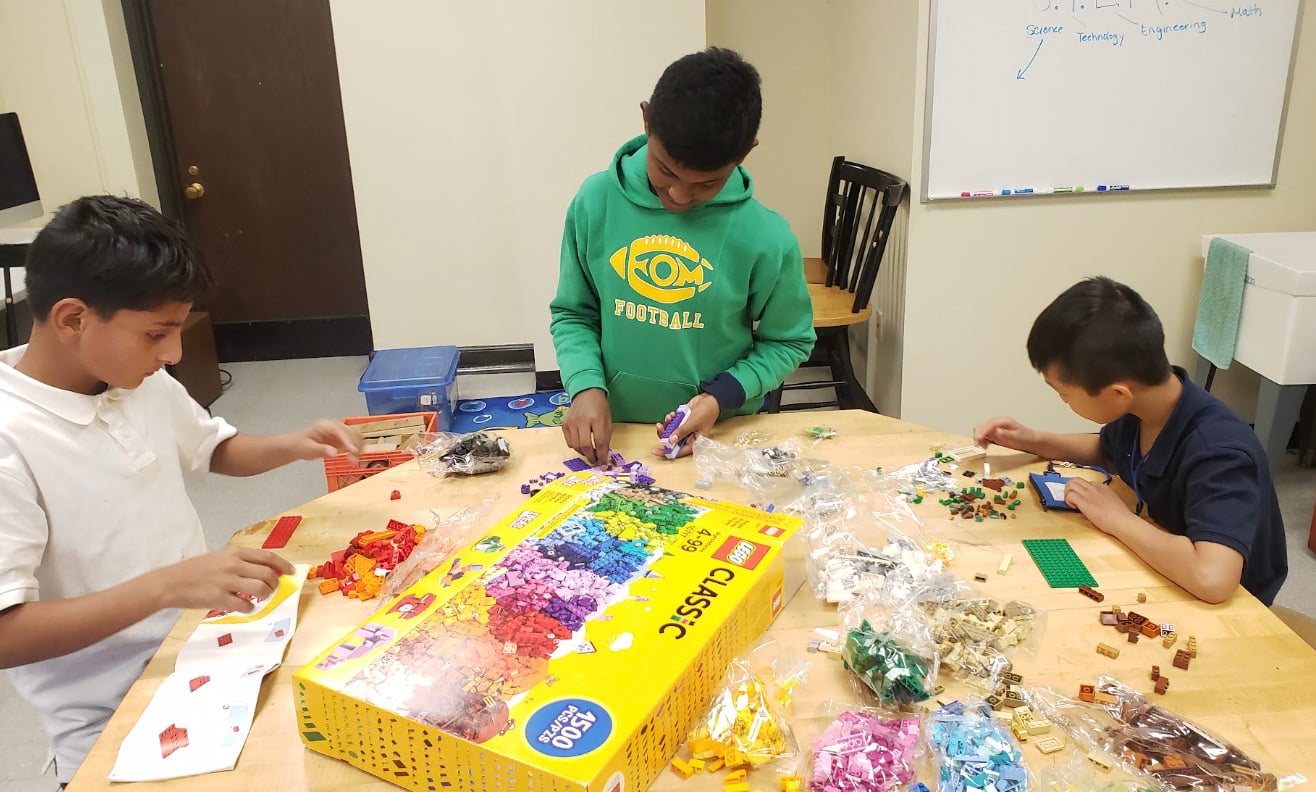
Students learn through building with Legos.

Her work also extends to the state policy level. With Impact Florida, Arquines contributed to the Florida Materials Navigator, an initiative that helps districts select and implement high-quality instructional materials, with an emphasis on accessibility for multilingual learners and students with disabilities. She also leads curriculum and professional learning initiatives in Dual Language and biliteracy with School Publishing Group, including an Arizona Department of Education–approved Structured English Immersion endorsement program.

Arquines credits the Linda A. and H. Kent Baker School of Education and American University with giving her a foundation that connects education to community, culture, policy, and language. Early in her career, she worked at the university in admissions and college access, including ¡Alcanza!, an initiative focused on college access for Hispanic and immigrant-origin students and families. This event is now in its 26th year and hosted by George Mason University, bringing thousands of students each year. The experience taught her that “access is not only about opening doors, but also about making sure people have what they need to be able to walk through them.”

For current students, Arquines recalls advice from Lonnie G. Bunch III, BA ’74, MA ’76, PhD ’78, secretary of the Smithsonian Institution, who spoke at her undergraduate commencement: “Always point yourself in the direction where you can do the most good.” She encourages students to stay curious beyond their job descriptions. “You do not have to have your entire career mapped out,” she said. “Sometimes, the journey takes you to unexpected but fulfilling places.”