
Why Do We Still Love The Odyssey?
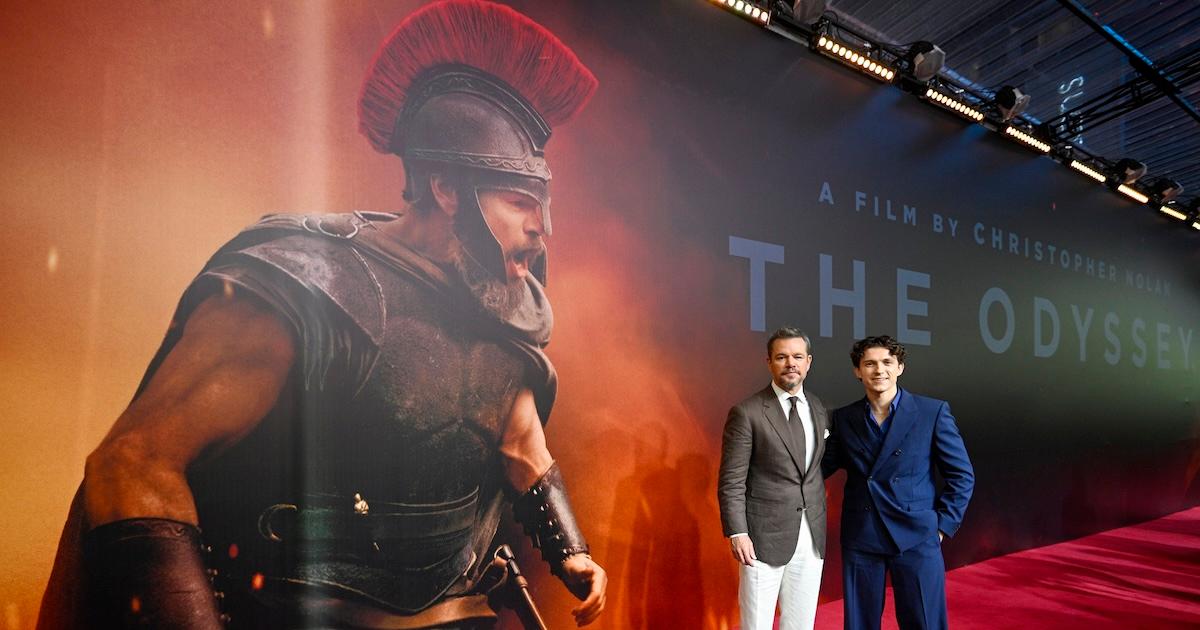
Christopher Nolan’s The Odyssey is no typical box office smash.
Since its July 17 release, millions have flocked to theaters to see a modern adaptation of one of the world’s oldest surviving works of literature. Highly rated by critics and viewers alike, the film—starring Matt Damon as Odysseus—has grossed more than $1 billion as of this week.
That’s impressive staying power for an epic composed nearly 3,000 years ago, which is about twice as old as the English language itself. So, why does The Odyssey continue to captivate audiences so long after its creation?
AU Now spoke with philosophy and religion professor Shubha Pathak—a scholar who interprets epic myths from Greece, Rome, and India—about the approximately 12,000-line poem’s lasting influence, as well as the flaws and opportunities in its latest big-screen retelling.
What’s the origin story of how The Odyssey was composed and passed down to us today?
The Odyssey, which most scholars think was composed between 750 and 700 BC, is traditionally attributed to Homer. However, Pathak said she—and many classicists—believe that it “was [created] by multiple authors.”
Pathak points to errors and inconsistencies within the text as evidence. “[Imagine] you had a group of people who didn’t quite get all their mental notes in line to reconcile everything but went for it,” Pathak said. “A group of poets may have been working with the same story motifs and composing by committee.”
For hundreds of years, the epic was preserved and spread orally by traveling bards who memorized or improvised the verse. It was only later committed to writing, allowing it to survive to the present day.
Why does The Odyssey continue to resonate with modern audiences?
Pathak posits that The Odyssey continues to reverberate because it speaks to a fundamental human experience.
“Achilles in the Iliad is semi-divine, an unreachable figure. He can do things easily, including going into battle and becoming the best Greek hero,” Pathak said. “It’s easier for us to relate to not being able to easily achieve things, to struggle. All [Odysseus] can do is, by the strength of his wit, get by and manage [his] problems. He also faces unspeakable things and comes out of it somehow, which we admire.”
The Odyssey is also what Pathak calls an interrogative epic: it questions the core religious ideal of heroic glory. “One of the central anxieties people [face] is what happens to them when they die,” Pathak said. “The Odyssey handles this by [suggesting] that if you achieve something of great importance, even with difficulty, people will remember you even after you’re gone.”
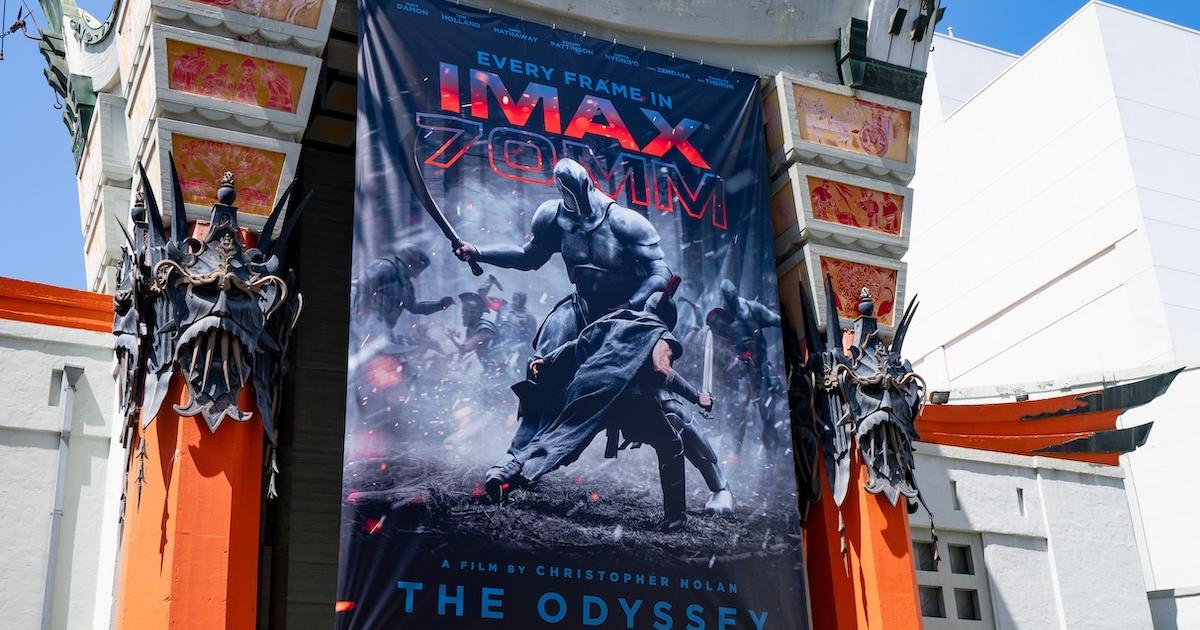
What did you think of the movie?
Pathak caught a screening at the AFI Silver Theatre and Cultural Center in Silver Spring, Maryland, the day after the film opened.
“I tried to go in with tempered expectations because I love the original poem, so I knew it would be difficult for that to come through in a movie of this length,” she said.
Ultimately, she was disappointed that Odysseus came across as much more likeable than in the poem, while also lacking his signature, deft wordplay.
She also thought many of the female characters were relegated to the background. “In the poem, the women are interesting, complicated, and pivotal in moving [the narrative] forward. You don’t get that much in the film.”
At the same time, she appreciated that the film is introducing a broader audience to the ancient text. Book sales of The Odyssey in the United States are up 76 percent this year. “If this gets people to learn about The Odyssey, that’s terrific,” she said.
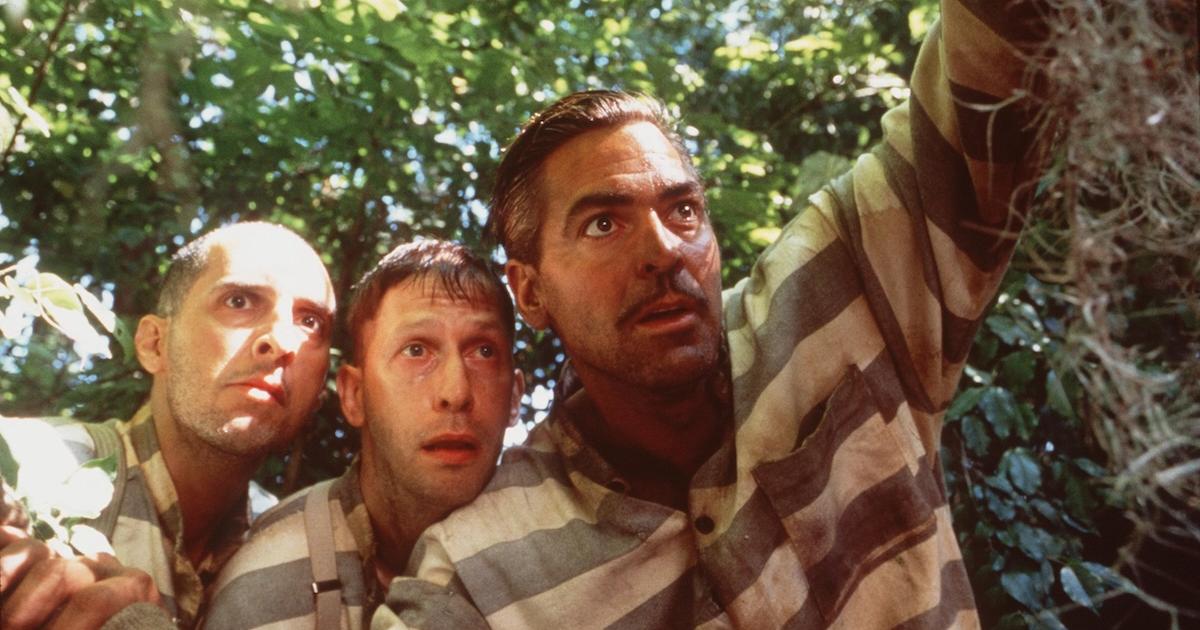 Did the movie introduce you to The Odyssey? Pathak recommends three ways to engage with the epic on a deeper level:
- The Odyssey miniseries (1997): Starring Armand Assante, this version is “truer to the actual story,” she said.
-
O Brother, Where Art Thou? (2000): The Coen brothers’ film strays further from the plot, but it resonates strongly with the spirit of the original, she said. “It captures a lot of the original wittiness.”
- Read the poem: Pathak’s favorite translation is by Richmond Lattimore. “If you read it in bits and pieces, it’s not overwhelming,” she said.
Speaking of epic journeys, what does one look like at AU?
See how Eagles define their own path as we set campus life, internships, study abroad, and more to a unique beat in “American Odyssey.”