
Baker Graduate Student Moves From Classroom Questions to Policy Action
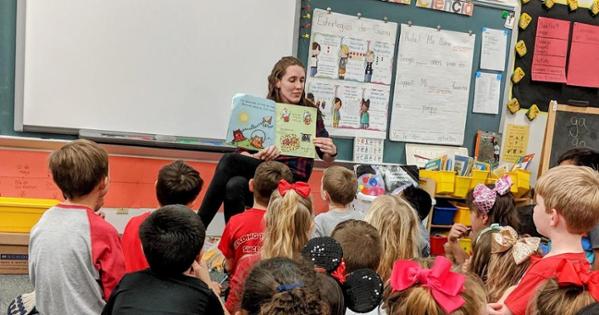
Kathleen Vacek is a Master’s of Education in education policy and leadership student who expects to graduate in May 2026. A remote student, she was selected to participate in the First Five Nebraska Early Childhood Leadership Academy program, a leadership development program focused on strengthening early childhood policy and advocacy across Nebraska. She took the time to answer some questions for the Baker School of Education about her educational journey. Below is an excerpt of what she said.
"In the summer of 2020, while school leaders across the country debated how to safely bring students back to school in the fall, I remember debating the issue with my sister. What stood out to me was that there really wasn't a clear or easy answer; each option had significant consequences for different groups of people. Opening schools for in-person learning could have significant health implications—for teachers, students, grandparents, and overall community transmission. But keeping schools virtual also had serious consequences. It had not only obvious academic impacts, especially for kids whose homes weren’t safe or supportive places to learn, but also social services implications. Schools provide an essential safety net for many of our most vulnerable children. There wasn’t a ‘right’ answer—just decisions with real consequences for real people.
“At the time, I was already contemplating graduate school, but that conversation stuck with me. It made me realize the difficulty of these decisions for school leaders and policymakers and how much is at stake. I remember saying that I wanted to be able to look back one day, read the research, and understand which choices actually helped students.
 “I actually ended up doing exactly that in one of my classes. I looked at how different learning modes—virtual, hybrid, and in-person—were connected to things like graduation rates, chronic absenteeism, and achievement. It really pushed me to shift from what I felt was right to questioning my assumptions and asking harder questions about what the evidence actually showed.
“American University’s MEd remote program has been an excellent fit for me at this point in my life. There is no in-person master’s program in education policy [near me], so I needed a remote option, but I also wanted a program that offered strong academics and a clear policy focus. I’ve really liked AU’s remote program because it’s not a ‘log-in, complete assignments’ isolated type of program. The classes are synchronous, so I can have conversations and engage with classmates, instead of just watching lectures. That has made a meaningful difference in what I’ve gotten out of the program.
“One of the unexpected benefits has been getting to learn alongside students from all over the country. Because education policy is so state-specific, hearing how similar issues play out differently across states has been eye-opening and informative.
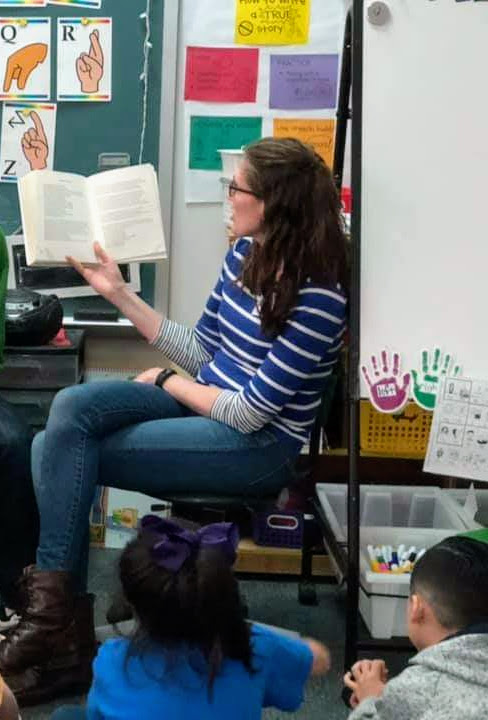
“My passion for this work comes from my classroom experience as a teacher, special education paraprofessional, and substitute… Depending on the school, students in Nebraska with similar needs may have very different school experiences and access to resources. This is especially evident in special education; in some schools teachers have limited support and caseloads of 30 or more students, while in others, smaller caseloads and additional resources create a very different student experience. Seeing the contrast between schools in the same city was striking.
“A student’s education can differ dramatically, not because of their needs, but because of staffing and resources. Seeing these inequities across my city and the over-50-percent three-year attrition rate among special education teachers statewide, made it clear to me why this work matters and why I want to be a leader in education policy.
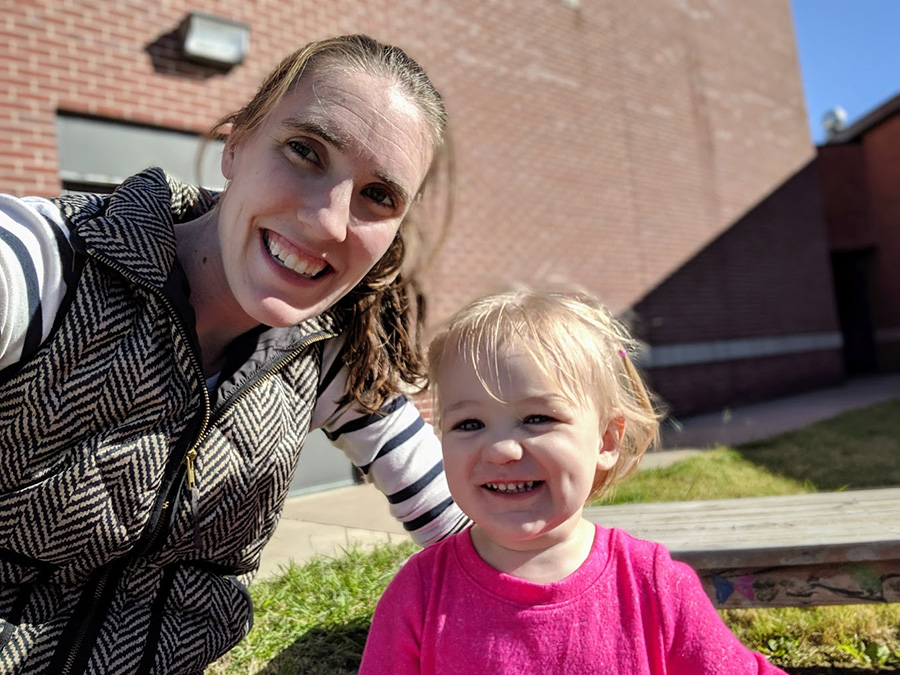 “When I was selected to participate in the First Five Nebraska Early Childhood Leadership Academy program… it was really meaningful because it is a direct bridge between what I’ve been learning in AU’s MEd program and the work happening in my own community. One of the most exciting aspects for me is that my advocacy project through First Five is based on a paper I wrote in my first semester of the MEd program, proposing caseload limits for special education teachers. Being able to take something that started as an academic assignment and turn it into real world advocacy for special education teachers in Nebraska has been incredibly affirming and motivating.
“If I could change one policy in Nebraska, it would be the way we fund public education. A child’s zip code should not determine the resources available to them at school, or shape their educational opportunities, yet this is the current reality allowed by our flawed funding system. I’ve worked in a wide range of schools and have seen how funding disparities show up in everyday ways. These differences have real consequences for students, especially those in lower-income communities.”