
From Reader to Role Model: How Sidney Keys III Is Reshaping What It Means to Learn
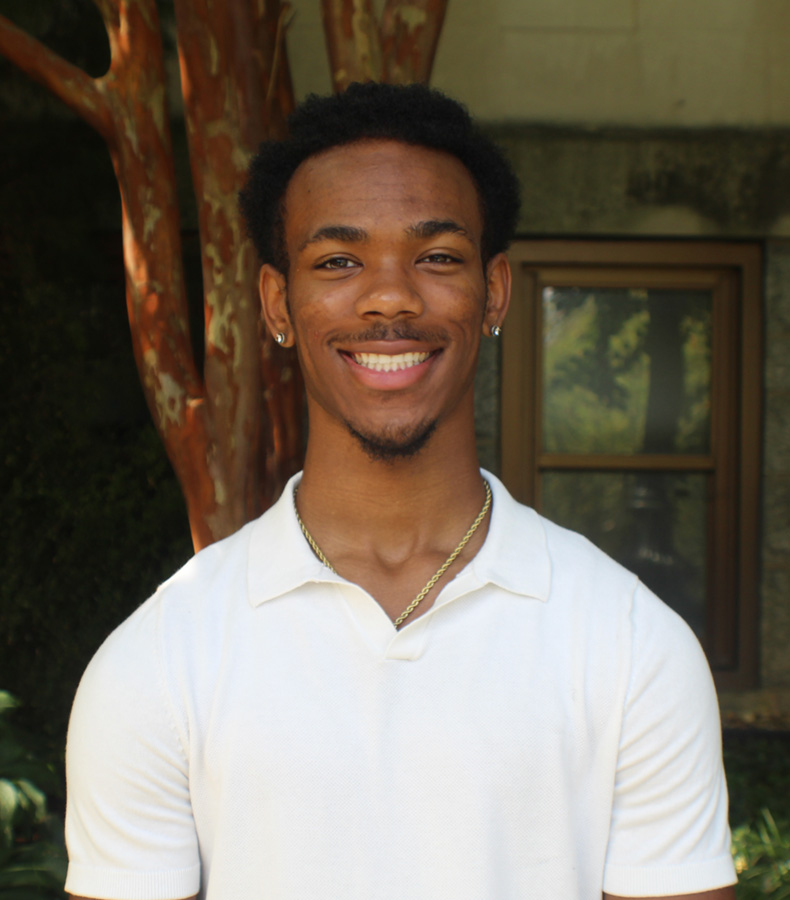
Far ahead of the many students still figuring out their major when applying to colleges, Sidney Keys III had already founded a book club, authored a book, and mentored dozens of young Black boys through the power of reading. Now a double major in American University’s Baker School of Education and College of Arts and Sciences studying secondary education and literary studies, he channels those experiences into a vision for teaching that goes beyond the classroom.
Keys grew up acutely aware of something missing in his education: teachers who looked like him. “I had one Black male teacher, Mr. McAfee, throughout my K-12 education,” he said, “and he is one of the most influential figures in my life to this day.” Watching Mr. McAfee shape the trajectories of his students—Keys included—planted a seed early. Representation, he understood, wasn’t just meaningful. It was transformative. And the statistics back this up: a Johns Hopkins study showed that having at least one Black teacher in third through fifth grades reduced a Black student’s probability of dropping out of school by 29 percent.
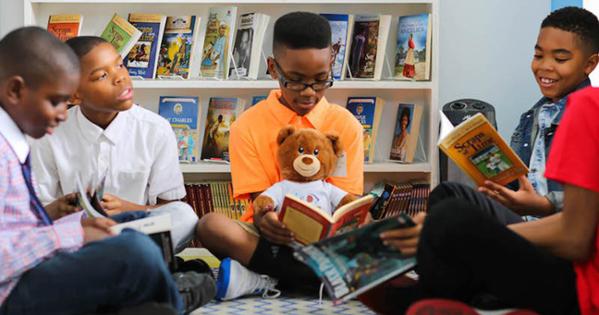
 That understanding deepened through his work with Books N Bros, the book club he founded for Black boys ages 7 to 13. Keys noticed a shift in his relationship with the club’s younger members when he was about 17. “I realized my new role was not simply as a peer, but instead a mentor, big brother, and tutor,” he said. “Tutoring my members and helping them through personal dilemmas was something I began to find myself doing often—and it was something I loved. This was the moment I knew I’d be a teacher.”
Keys chose AU very intentionally. He was drawn to the campus, but more so to its ethos. “Everyone is doing something amazing, and the university does everything in its power to amplify our voices,” he said. “This is the exact community I was looking for.” He has found that spirit reflected most strongly in the Baker School of Education, which he describes as having “the most passionate and amazing professors out of any school at AU.” Opportunities to engage with the real-world implications of education—from classroom conversations about societal issues to visiting local schools—have reshaped how he thinks about learning itself.
Education is not something that can be confined to the four walls of a classroom. It’s universal and always occurring.
That belief drives his current projects. Keys is developing a writing workshop for students in grades 3 through 5, with a focus on engaging them with literacy. “I want to emphasize that reading and writing are crucial in whatever endeavor they choose to pursue,” he explained, “and hopefully inspire them not to fall victim to the belief that reading and writing ‘isn’t cool.’” It is a message he wishes someone had delivered to him earlier—and one he now carries with unmistakable conviction.
For young Black readers, particularly boys, his advice is direct: “Continue to be curious and aspire to be the best you can be. Through a book you can experience places you’ve never been and put yourself in the shoes of people you’ve never met. Reading is an art, and when done properly, will serve you well to achieve whatever dream you aspire to attain.”
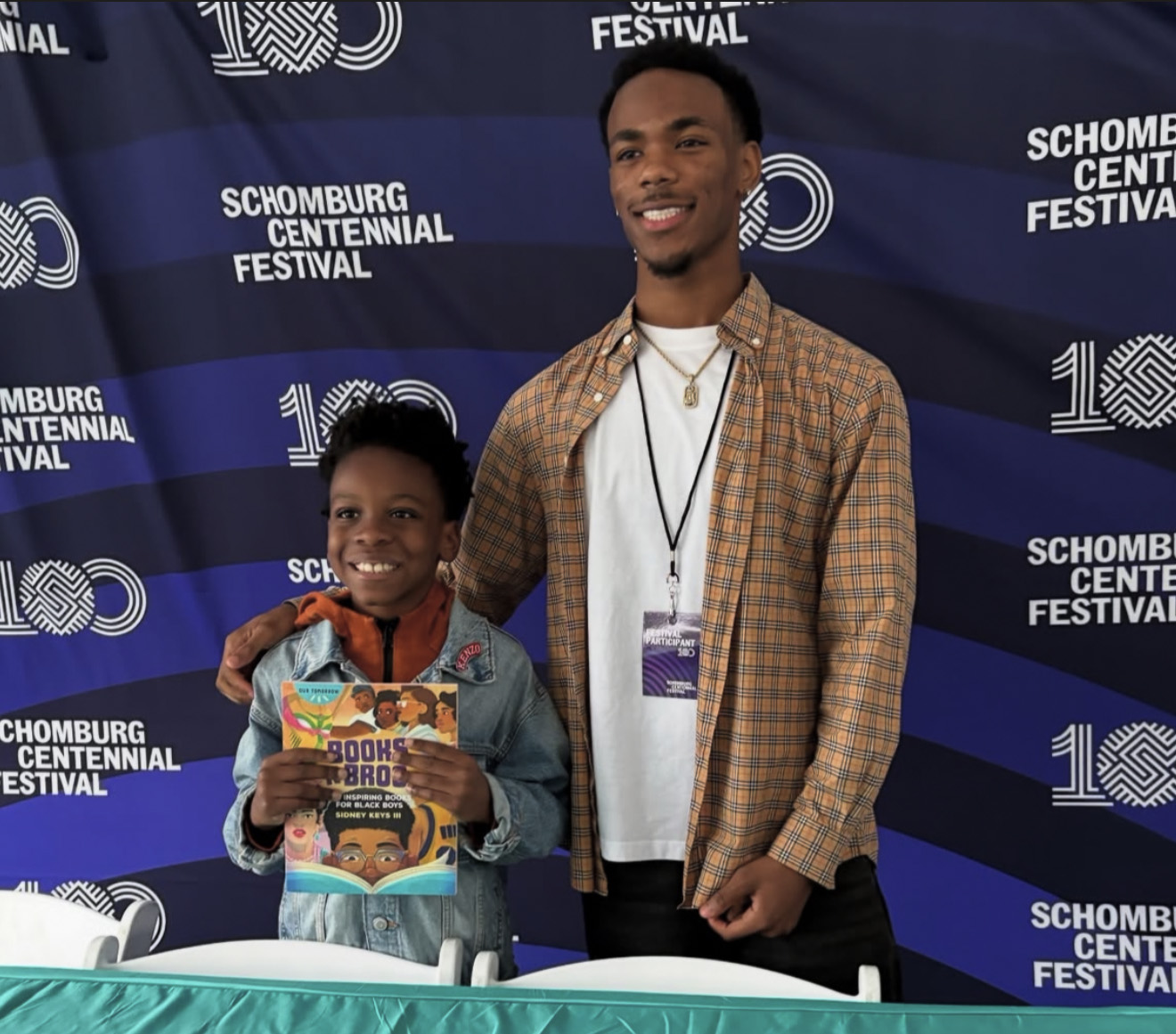 Finding representation in literature, he argues, is central to making that possible. “If students see positive depictions of characters they look up to and see themselves in, they’ll develop increased self-confidence and an improved relationship with reading.” It is a philosophy embedded in his own book, Books N Bros: 44 Inspiring Stories for Black Boys, which continues to reach young readers even while the club itself is on pause during his college years.
In Washington, DC, Keys has found new avenues to stay engaged—through community service, campus involvement, and his fraternity, the Kappa Chi chapter of Kappa Alpha Psi Fraternity, Inc. But the throughline of his work remains constant: showing up for young people the way Mr. McAfee once showed up for him.
Seeing members who had struggles with reading or writing become significantly better through the club is what has kept me going.
For Sidney Keys III, teaching was never just a career choice. It was a calling recognized early, and he has been answering ever since.
- Learn more about the Bachelor of Arts in Secondary Education
- Learn more abou the Bachelor of Arts in Literature