
Excitotoxins are amino acids (or less common amino acid analogues) which function as excitatory neurotransmitters in the nervous system (“excito”), but which also can over-excite a neuron to the point that it dies (“toxin”). Exposure to dietary excitotoxins may lead to abnormal excitatory neurotransmission in a sub-set of the population, called excitotoxicity, which has been implicated in many neurological and psychiatric conditions. Excitotoxicity can also cause oxidative stress and neuroinflammation, and this “neurotoxic triad” has been shown to be self-perpetuating, increasing the damage inside of the nervous system.
Nutritional Neuroscience Lab
The Nutritional Neuroscience Lab is working to understand the impact of food and food additives on neurological and psychiatric disorders. A primary aim of our research is to understand the negative impact of dietary excitotoxins on neurological function. Excessive glutamatergic neurotransmission can lead to a state of excitotoxicity in the nervous system, which perpetuates oxidative stress and inflammation, in addition to potentially killing neurons. We are also interested in the positive protective effects of micronutrients and antioxidants in protecting against excitotoxicity, oxidative stress and neuroinflammation. This “neurotoxic triad” is self-perpetuating, and diet may be one of the strongest treatments to prevent downstream neurological damage since it can affect all three parts of the triad.
Our lab conducts clinical trials to examine how reduced consumption of dietary excitotoxins, combined with increased consumption of specific micronutrients and antioxidants, can lead to reduced neurological symptoms. We are especially interested in widespread chronic pain disorders, which tend to co-present with other neurological symptoms such as migraine, centrally mediated fatigue, cognitive dysfunction (including memory loss and inattention), sleep issues, psychiatric disorders like depression/anxiety/PTSD, and sometimes seizures and/or gastrointestinal dysfunction.
Contact
Dr. Kathleen Holton, Director
[email protected]
Asbury 306
Recent Publications
- Maury AA*, Holton KF. Biomarkers Associated with Depression Improvement in Veterans with Gulf War Illness using the Low Glutamate Diet. Nutrients. 2024. 16: 2255. https://doi.org/10.3390/nu16142255
- Carr S*, Holton KF. A Cautious Reminder about the Potential Risk of Psychosis when Cannabis Is Used as a Treatment for Chronic Pain. Psychiatry Research Case Reports. 2024. 3(1). https://doi.org/10.1016/j.psycr.2024.100225
- See more Publications & Presentations
Lab News
Now Recruiting:Dietary Intervention for Individuals with Migraine
We are currently recruiting participants in the greater Washington, DC, Metro area for a clinical trial testing a dietary intervention for migraine. If you have been diagnosed with migraine, you may be eligible to participate. All information and data collected will be kept confidential. Compensation is provided for your time.
- Please reach out to the clinical research coordinator, Houra Taheri, at [email protected] if you would like to be screened for the study.
- If you are interested in being pre-screened for the study to see if you are potentially eligible, please use this short Eligibility Survey form.
Recruitment Now Closed: Dietary intervention for Gulf War Illness
Thank you to everyone who expressed interest in our study. Recruitment for the dietary intervention for Gulf War Illness is now closed. The final study results will be collected by December 15, 2025, and publications from this work will start to be published in 2026. We appreciate your support and interest in advancing research to improve the health of veterans.
The most common exposure to dietary excitotoxins comes from the use of free amino acids as food additives. The most well-known food additives in this class are monosodium glutamate (MSG) and aspartame (which is a dipeptide of phenylalanine and aspartate), though there are many others hidden under various names on food labels. Any food which contains free forms of glutamate, aspartate, or L-cysteine, has the potential to elicit symptoms in sensitive individuals; and there are also a few foods which naturally contain higher levels of these amino acids. Extremely potent glutamate analogs also exist in the environment, and sometimes show up in our food, but exposure to these chemicals is not as common.
Our lab is striving to advance the understanding of dietary influences on excitotoxicity. Dysregulation of glutamatergic neurotransmission has been implicated in many disorders including: Alzheimer's, Parkinson’s, multiple sclerosis, epilepsy, widespread chronic pain (including fibromyalgia and Gulf War Illness), migraine, depression, anxiety, obsessive compulsive disorder, PTSD, and others. Thus, the mission of our lab is to elucidate the potential impact of dietary excitotoxins on neurological/psychiatric symptoms, as well as the positive protective effects of specific dietary components including micronutrients, antioxidants, and omega-3 fatty acids.
News
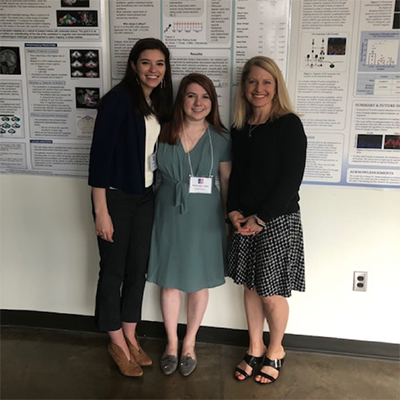
Poster presentation at the 2019 AU Research Conference in Washington, DC.

Lab members at the 2019 International Society for Nutritional Psychiatry Research in London.
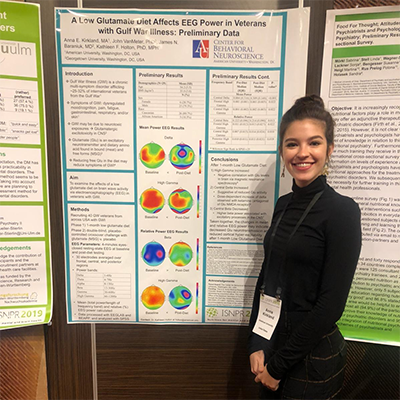
Poster Presentation at the 2019 International Society for Nutritional Psychiatry Research meeting held in London.

Symposium presentation at the International Society for Nutritional Psychiatry Research in London, England Oct 20-22, 2019 titled, “Micronutrients for Mental Illness”.
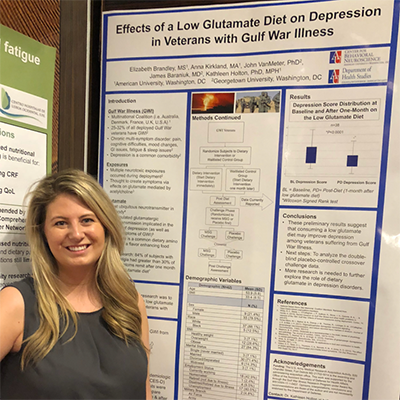
Presentating at 2019 International Society for Nutritional Psychiatry Research meeting.

At the 2019 International Society for Nutritional Psychiatry Research meeting in London.
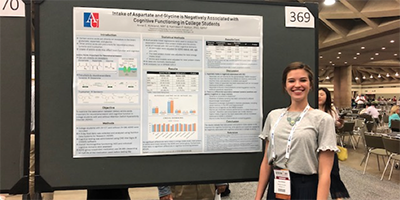
Poster presentation at the 2019 American Society for Nutrition Conference in Baltimore, MD.
- Behavioral & Neural Homeostasis Lab
- Center for Neuroscience & Behavior
- Computational & Systems Neuroscience Lab
- Developmental Cognitive Neuroscience Lab
- INSPIRE Lab
- Laboratory for Behavioral & Neural Homeostasis
- Laboratory for Neuroendocrinology
- Nutritional Neuroscience Lab
- Psychopharmacology Lab
- Nutritional Neuroscience Lab