
CAS Goes Global: A Summer of Research, Teaching, and Discovery
What do a Russian tsar, coronal mass ejections, artificial intelligence, post-war American art, water quality, and string musicians in Kenya have in common?
They were all part of another remarkable summer for faculty and students at American University’s College of Arts and Sciences.
Their work, travels, and summer pursuits reflect the remarkable breadth of a College that spans the sciences, humanities, arts, and social sciences. Whether across an ocean or right here in the nation’s capital, CAS faculty and students brought their curiosity, expertise, and distinctly AU spirit to research, teaching, collaboration, and discovery.
Here’s just a peek at some of the ways that CAS went around the world this summer.
Putting Data to Work for Students in Cambodia
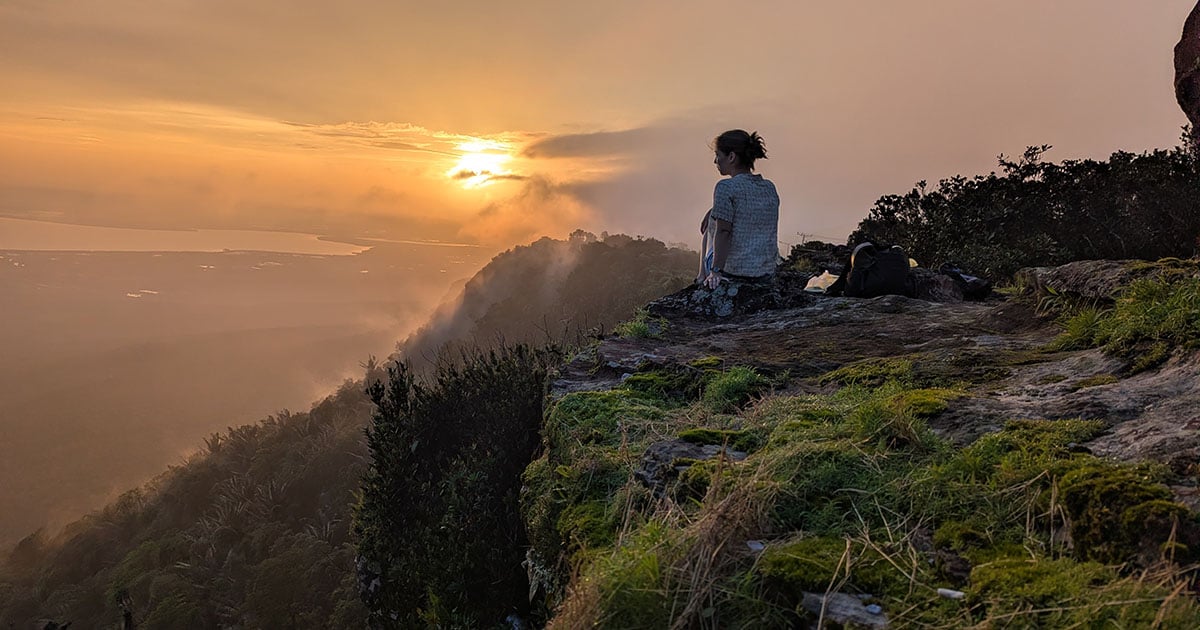
Health Studies student Althea Bennett spent the summer in Phnom Penh, Cambodia, as a research and learning intern with Teach For Cambodia, working to improve educational opportunities for underserved students. Her projects ranged from leading workshops on qualitative data analysis to interviewing staff and helping improve surveys that measure relationships between students and teachers. She also contributed to work connected to the High-Touch High-Tech initiative, which uses AI-enabled adaptive learning to personalize instruction and give teachers immediate data to better support their students.
Following the Tsar’s Trail
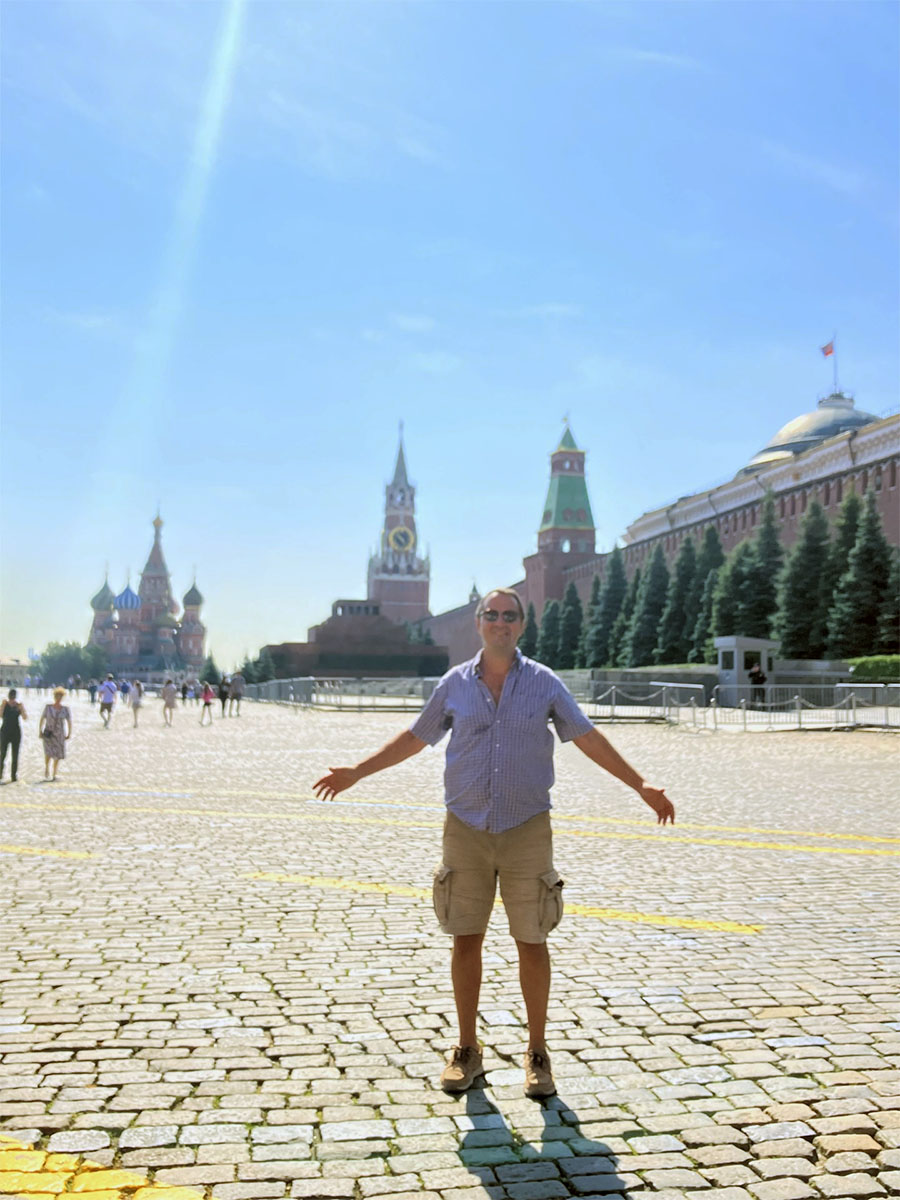
For History Professor Anton Fedyashin, researching a biography of Tsar Alexander III meant taking his work on the road. His summer travels carried him through the Eastern Mediterranean and Russia, including a stop at Moscow’s Red Square.
Right: Professor Fedyashin at Red Square
The Sound of Connection
Hurst Senior Professorial Lecturer Nancy Jo Snider took the power of music to Kenya, working with S’Cool Sounds to inspire, educate, and connect children and communities. In Maralal, she helped introduce students to the recorder; in Kibera, she worked with young string musicians as they prepared for the National Music Festival.
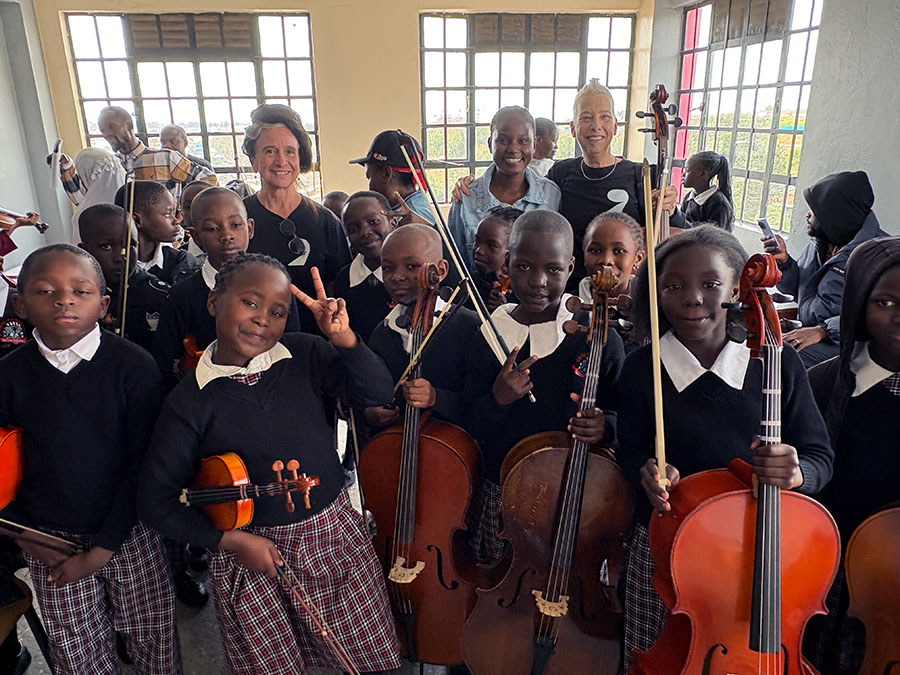 Nancy Jo Snider (back right) with S’Cool Sounds string students in Kibera, Kenya
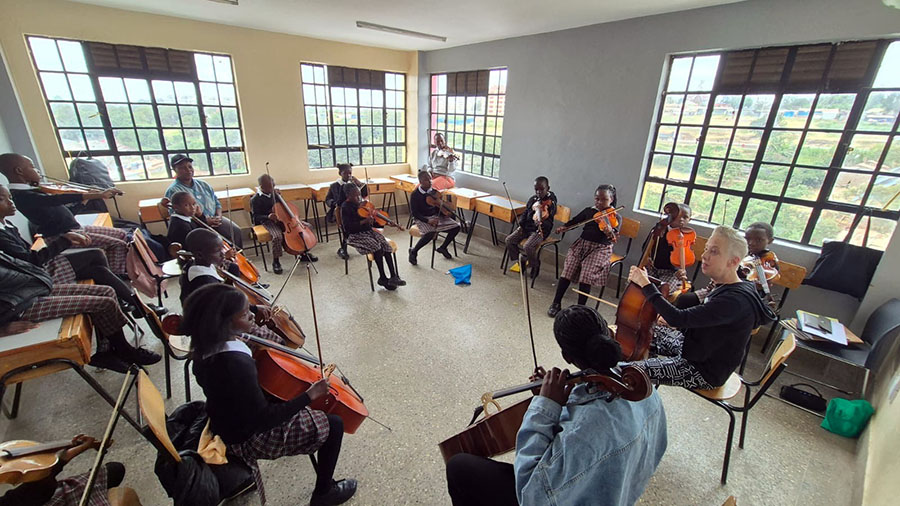 Nancy Jo Snider teaching S’Cool Sounds String students in Kibera, Kenya, in preparation for the National Music Festival
Studying Storms on the Sun
Physics Professor Silvina Guidoni traveled to České Budějovice, Czech Republic, to give an invited talk on her research at the DynaSun Workshop on Morphology and Evolution of Coronal Mass Ejections. A stop in Prague left time for another worthy pursuit: trdelník ice cream!
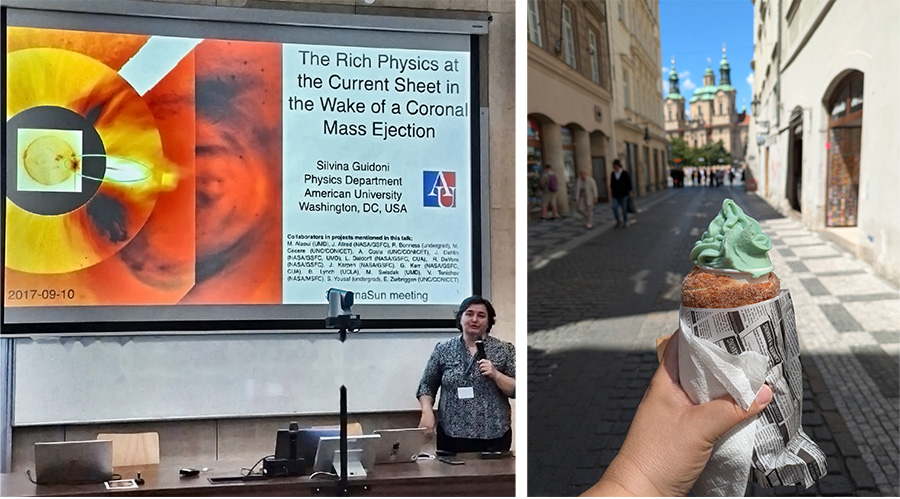 Professor Guidoni giving her presentation at the DynaSun Workshop. Right: Taking a break with a trdelník chimney cake ice cream in Prague.
Young Voices, Big Questions in AI
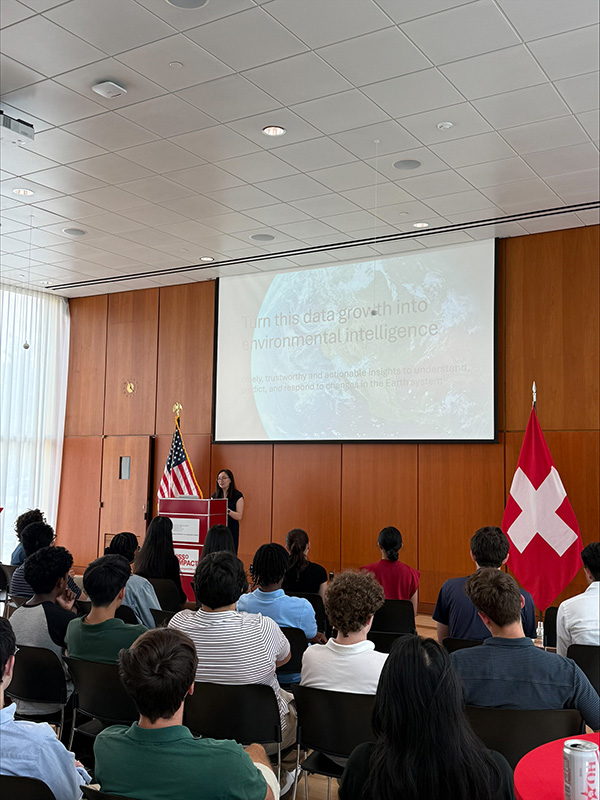
Computer Science Professor Leah Ding brought “AI for Public Good” to an international audience right here in Washington, speaking at the Embassy of Switzerland as part of programming connected to the Geneva AI Summit 2027. Her takeaway: “Hearing young people share how they want to shape the future of AI was deeply inspiring. AI is not just about computer algorithms. It is defined by the values, creativity, and choices of the people behind it.”
Chemistry and a #LabSelfie
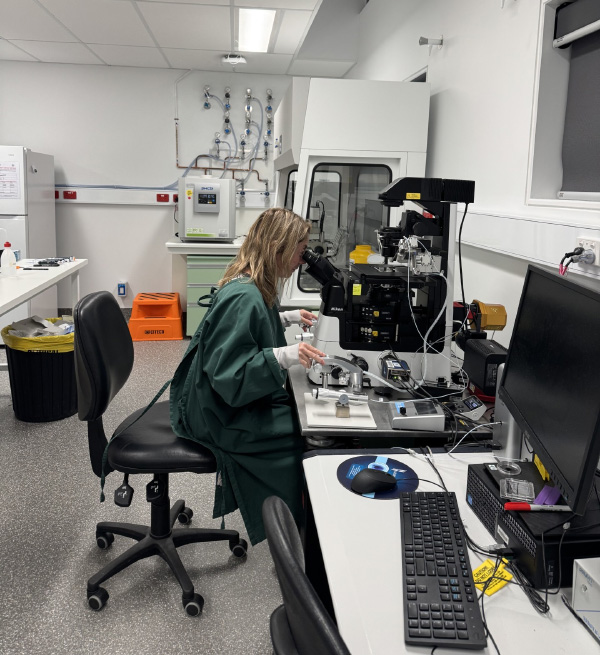
Chemistry Professor Raychelle Burks sent greetings from the lab in Sweden! Burks joined collaborators Ann-Sofie Cans and Lars Öhrström at Chalmers University of Technology in Gothenburg to launch a new project using metal-organic-framework-coated microelectrodes for chemical weapons detection.
And, naturally, there was a #LabSelfie.
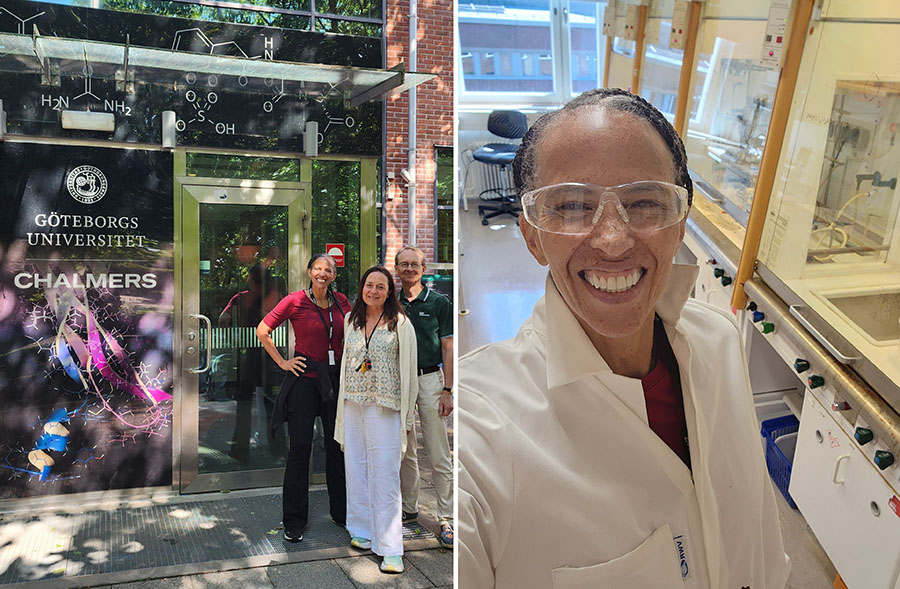 Left: Raychelle Burks with collaborators Ann-Sofie Cans and Lars Öhrström. Right: Raychelle Burks’s #labselfie
Building AI We Can Trust
Computer Science Professor Mike Treanor spent part of the summer in Santa Cruz, California, working on RUE, a symbolic AI engine designed to guide decision-making in complex environments using rules, temporal history, private agent knowledge, and more. The larger goal: pairing structured logic with current AI to help make systems more trustworthy, safe, and explainable.
Citizenship, Courts and Connections
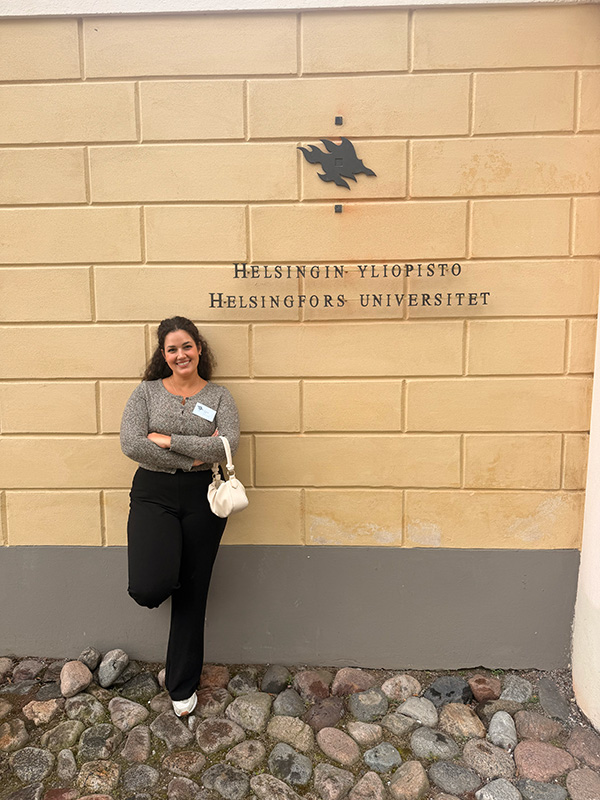
Elizabeth Rule headed to Helsinki for the Maple Leaf and Eagle Conference, where she presented research from an article in progress on Indigenous citizenship, crisis, and two landmark Supreme Court cases, Adoptive Couple v. Baby Girl and Haaland v. Brackeen. Held at the University of Helsinki, the conference brought together scholars for transnational conversations on American Studies and Indigenous Studies, new connections with future collaborators, and a reception hosted by the City of Helsinki.
Taking the High Road
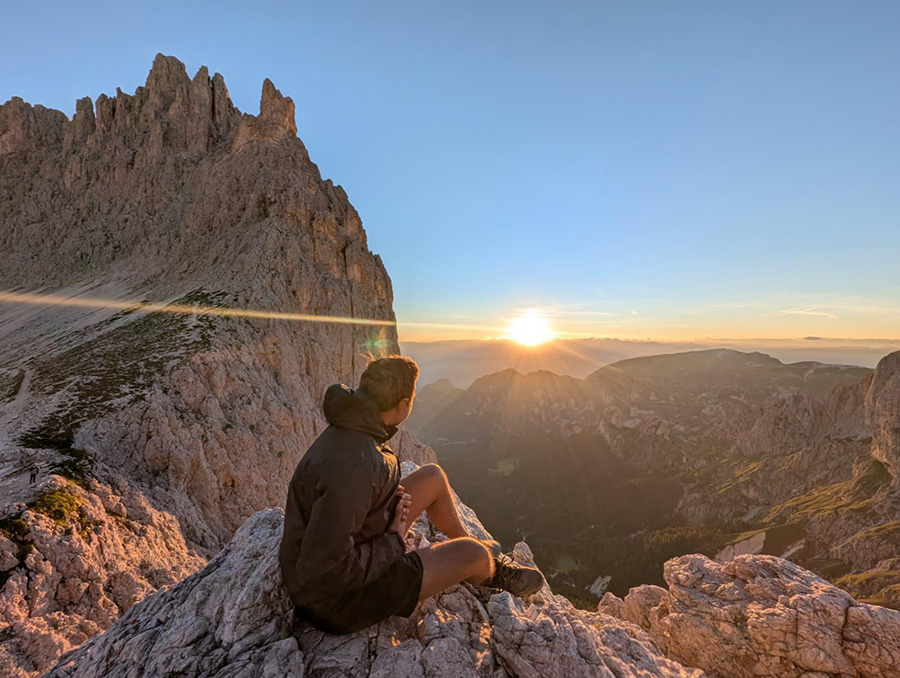
Environmental Science Professor Sauleh Siddiqui spent five days trekking through the spectacular Rosengarten Group in the Italian Dolomites—and paused long enough to share a beautiful sunset along the way.
Smiles in Costa Rica
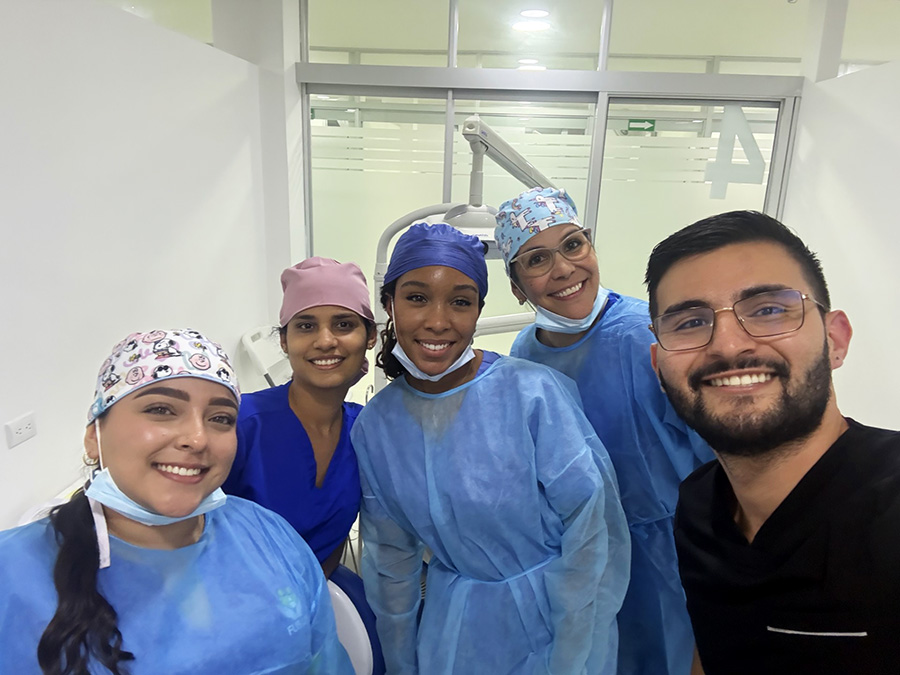
Selene Florival-Victor (BS biology ’29) combined service and exploration during a month in Costa Rica, volunteering as a dental assistant at a dental hospital and getting to know the country beyond the clinic with sightseeing in San José and Limón.
From Greenberg to Rauschenberg
From Los Angeles to New York, Art Professor Nika Elder spent the summer digging into the archives for her third book, examining World War II’s impact on “post-war” American art.
Grants supported her research at LA’s Getty Research Institute, where she explored the files of art critic Clement Greenberg, a leading art critic and champion of Abstract Expressionism. At New York’s Robert Rauschenberg Foundation, Elder investigated Rauschenberg’s engagement with Life magazine. Rauschenberg, one of the most influential American artists of the 20th century, fused painting, sculpture, collage, photography, and printmaking into new, hybrid forms, helping reshape American art in the decades after World War II.
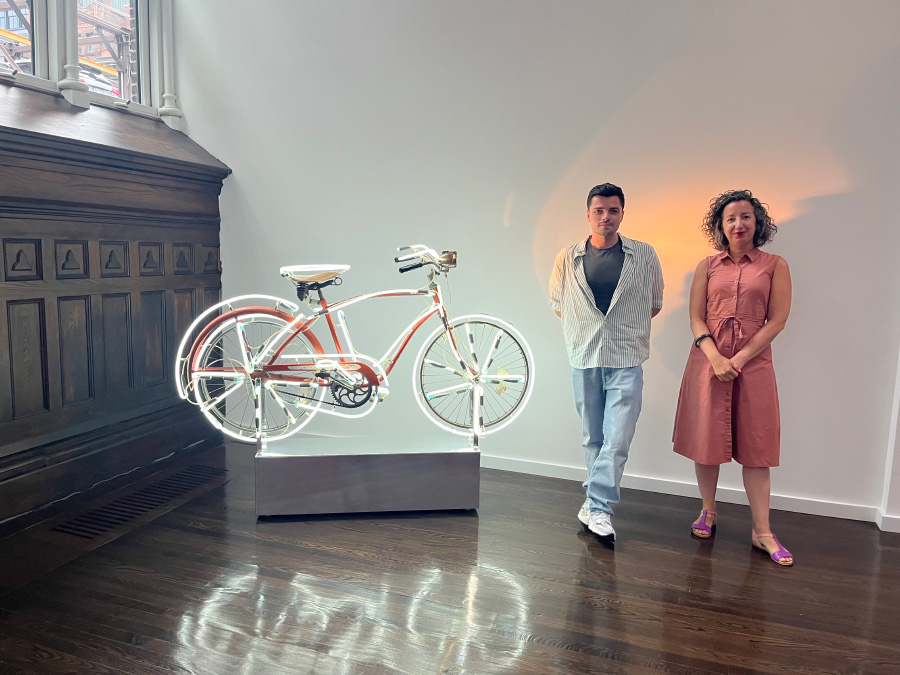 Nika Elder at the Robert Rauschenbert Foundation in New York, standing in front of one the Bicycloids (1992–94) sculptural series.
Istanbul: Two Millennia of History
Istanbul became a classroom for the Carmel Institute’s annual study trip, bringing together students from AU, Catholic University, Miami University of Ohio, and Harvard University. Led by History Professor Anton Fedyashin, the group visited sites including the famed Alexander Sarcophagus and the terrace of Topkapi Palace while exploring Byzantine Orthodoxy and layers of history stretching back two millennia.
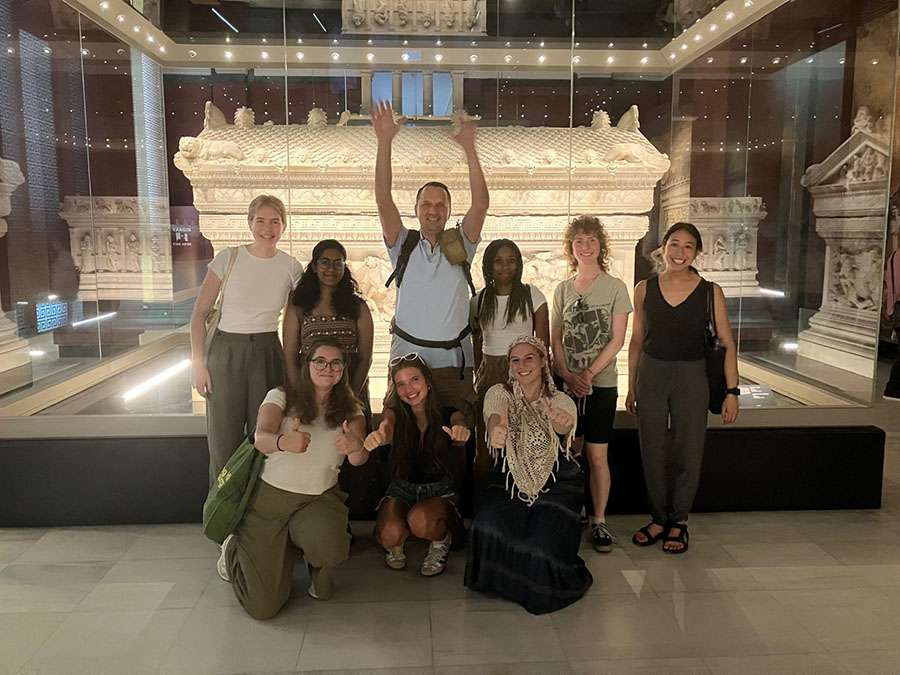 Group in front of the “Alexander Sarcophagus,” one of the most valuable items in the Istanbul Archaeological Museum.
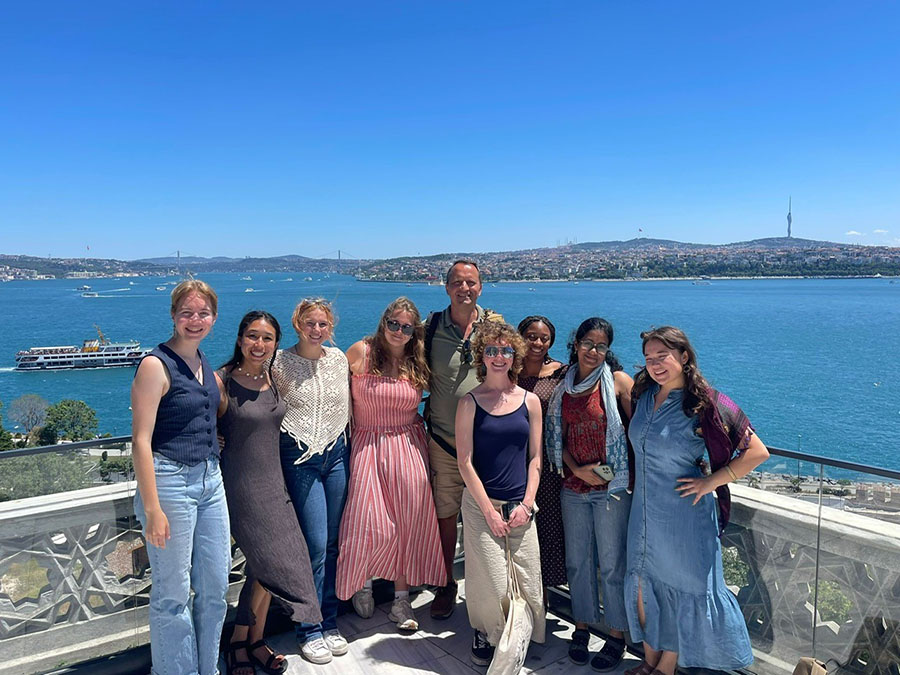 Terrace of Topkapi Palace, which the Ottoman Sultans constructed for themselves, overlooking the confluence of the Golden Horn and the Bosphorus Strait.
110 Students, Five Countries, One AI Challenge
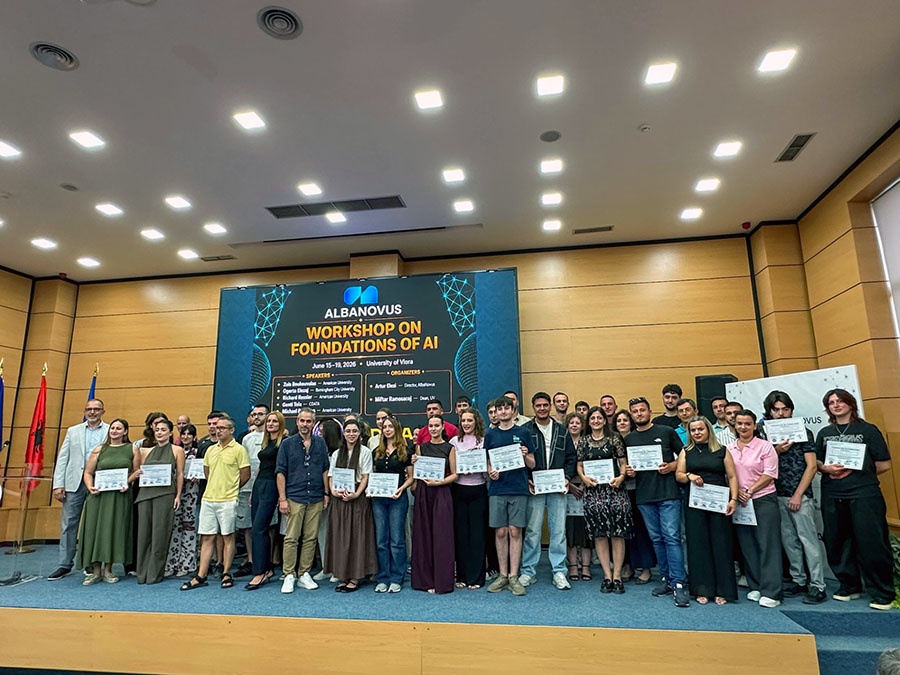
Mathematics and Statistics Professors Artur Elezi, Richard Ressler, Michael Robinson and Zois Boukouvalais completed a weeklong teaching adventure in Vlora, Albania. They taught parallel weeklong courses on the mathematical and practical foundations of data science and artificial intelligence that took students from programming and statistics fundamentals to agentic systems, machine learning, and natural language processing. The program drew 110 students from five countries (Albania, Northern Macedonia, Kosovo, Germany, and Turkey), culminating in an AI “hallucination” challenge and a one-day research conference.
Making Waves in American Samoa
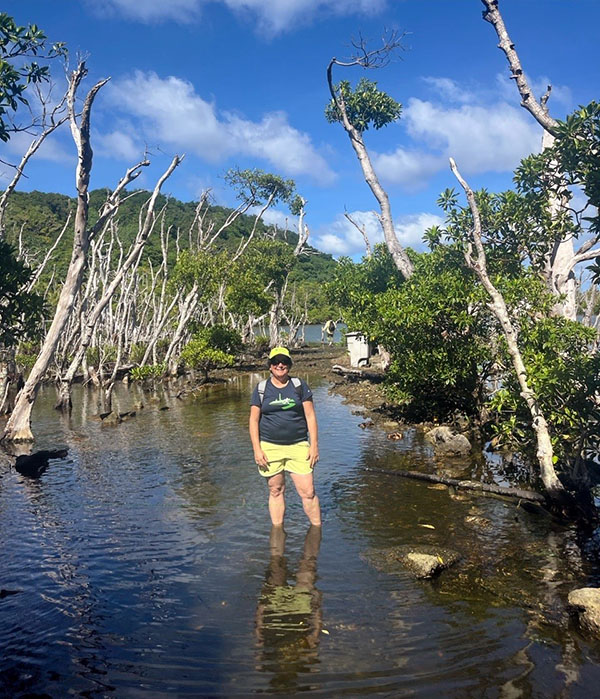
Environmental Science Professor Karen Knee turned American Samoa into a hands-on classroom, joining University of Hawaii colleague Henrietta Dulai to teach a free weeklong course on understanding and monitoring water quality. Their students ranged from aspiring marine scientists to local environmental professionals, and the visit included new research collaborations, high-school outreach, and training on laboratory equipment, all made possible by AU’s Translating Research into Action Center (TRAC), which is funded by the National Science Foundation (NSF).
Physics on the Run
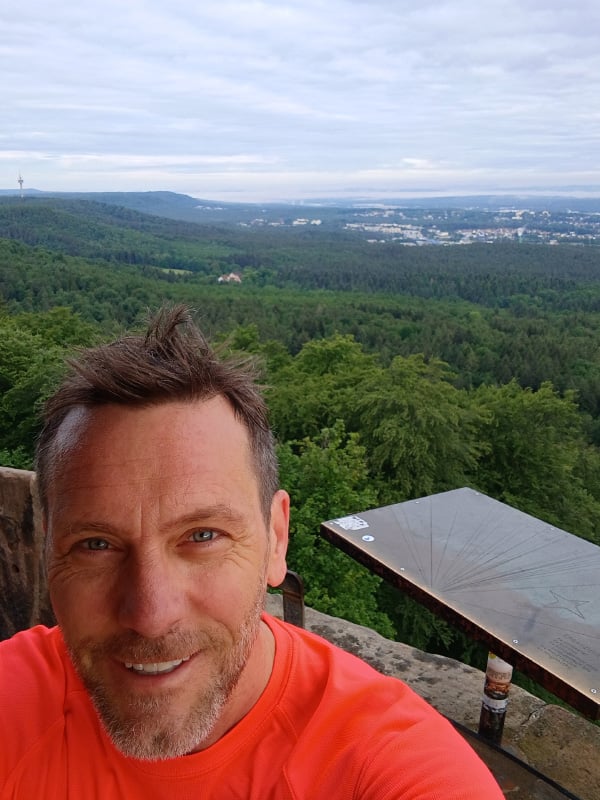
Five weeks in Germany gave Physics Professor Nate Harshman time for physics, collaboration, and some serious morning runs. During a research visit with colleague Axel Pelster in Kaiserslautern, Harshman delivered a colloquium on “The Golden Age of One-Dimensional Anyons: Theory and Experiment.” His route into the woods to Humbergturm, a tower in the woods overlooking Kaiserslautern, supplied the summer cardio. Harshman’s grant will allow him to visit Kaiserslautern for the next two summers, too!
Right: Nate Harshman on morning run, into the woods to “Humbergturm”, a tower in the woods overlooking Kaiserslautern, Germany
Examining Germany’s Divided Past
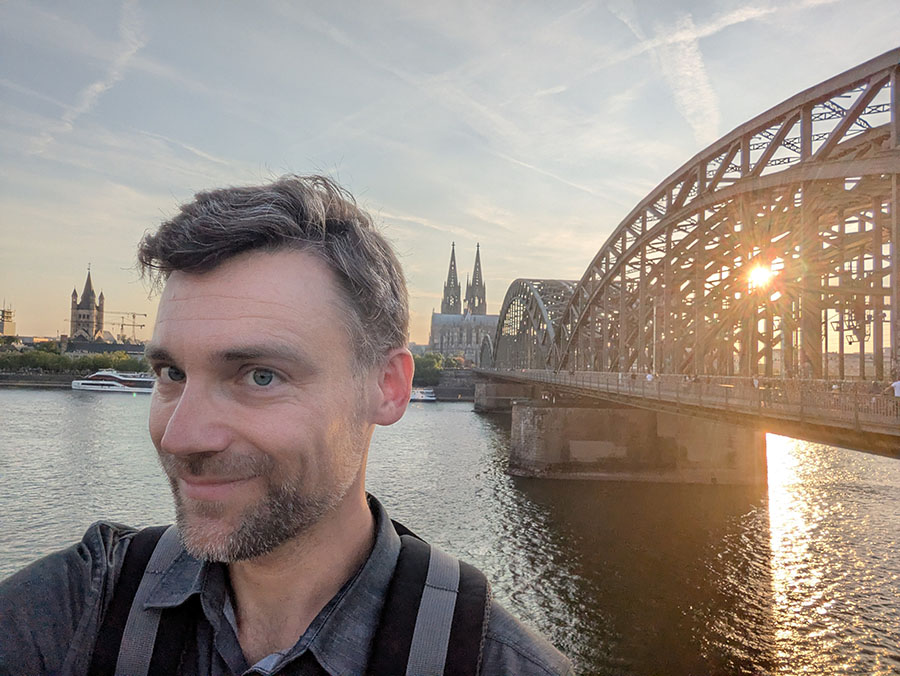
History Professor Andrew Demshuk is spending a year in Germany on a research grant from the Heinrich Hertz Foundation, digging into the environmental and human history of open-cast brown-coal mining in East and West Germany before and after 1989. Based at the University of Cologne, his archival research and interviews trace the stories of villages destroyed to make way for coal pits—and the civic movements that fought to save them. He’s also nearing completion of a book on Leipzig’s 1989 “Peaceful Revolution,” telling the grassroots story of the movement that helped end authoritarian East German rule and usher in democratic transition. The book is slated for publication in time for the 40th anniversary of the fall of the Berlin Wall.
Research Down Under
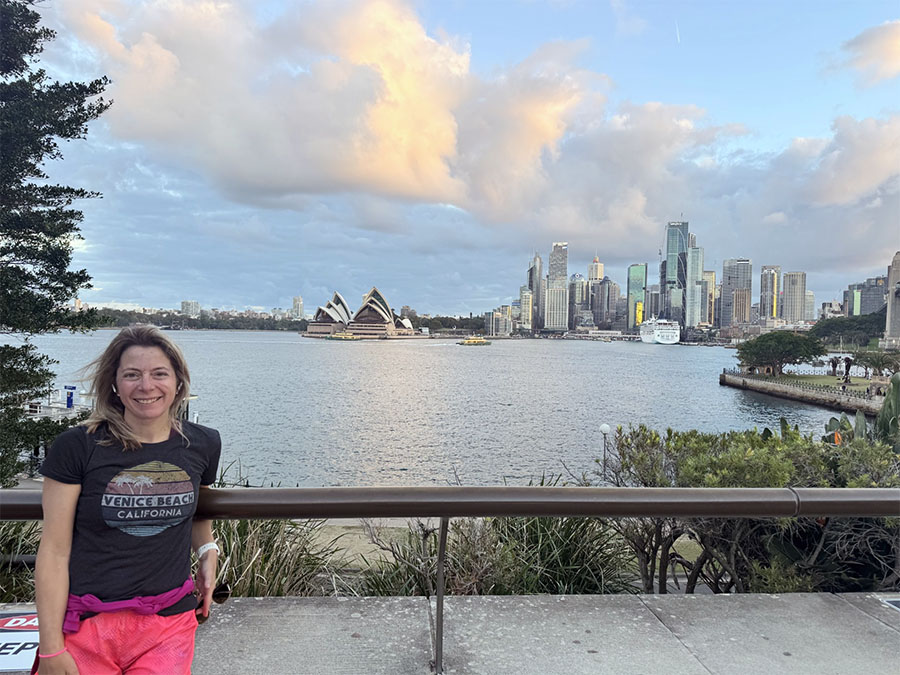
History Professor Laura Beers traveled to Sydney and Melbourne on a Mellon-funded research trip for her book on the politics of artificial reproduction. Her itinerary ranged from presenting research on surrogacy at the University of Sydney, attending legislative hearings on surrogacy law reform, interviewing embryologists at the Monash University in Melbourne, and delving into the early history of IVF in Victoria—with some jogging in Sydney in between.
The Meaning of Exile
Michael Brenner, Distinguished Professor of History and Abensohn Chair in Israel Studies, spent June on a scholarly circuit through Germany, delivering the 60th-anniversary lecture for the Jewish Studies Institute at the University of Cologne and joining panels at Dresden University and at the Jewish Museum Berlin on “The Meaning of Exile,” which was broadcasted on German public radio. His travels continued with conferences at Schloss Elmau and the Institute for Contemporary History "Mixed Couples” in Nazi Germany and Occupied Europe.
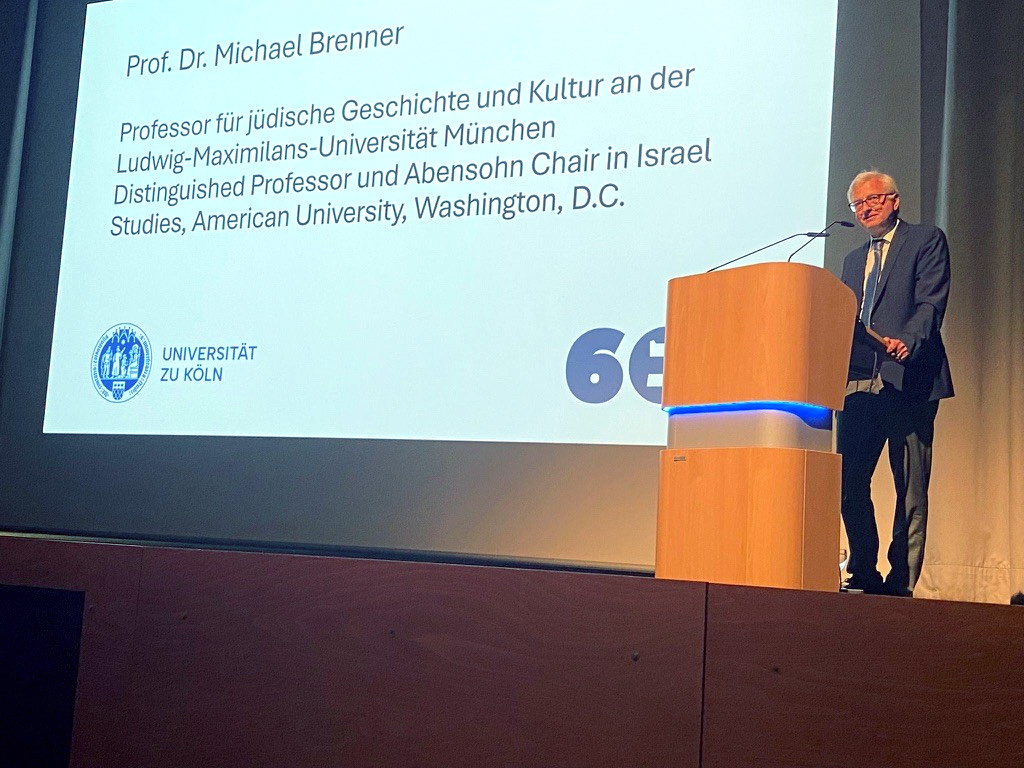 Michael Brenner delivers the 60th anniversary lecture for the Jewish Studies Institute at the University of Cologne
Coral Clues from Florida
Biology Professor Anny Cárdenas and PhD student Ciarán Fitzpatrick traveled to Key Biscayne, Florida, this summer to collect and process coral samples as part of a project funded by the National Science Foundation (NSF) and conducted in collaboration with the University of Miami. Building on earlier fieldwork in the Galápagos Islands, they are studying the bacteria that live in close association with the algae inside corals, looking for clues to the complex microbial relationships that help shape coral health and resilience.
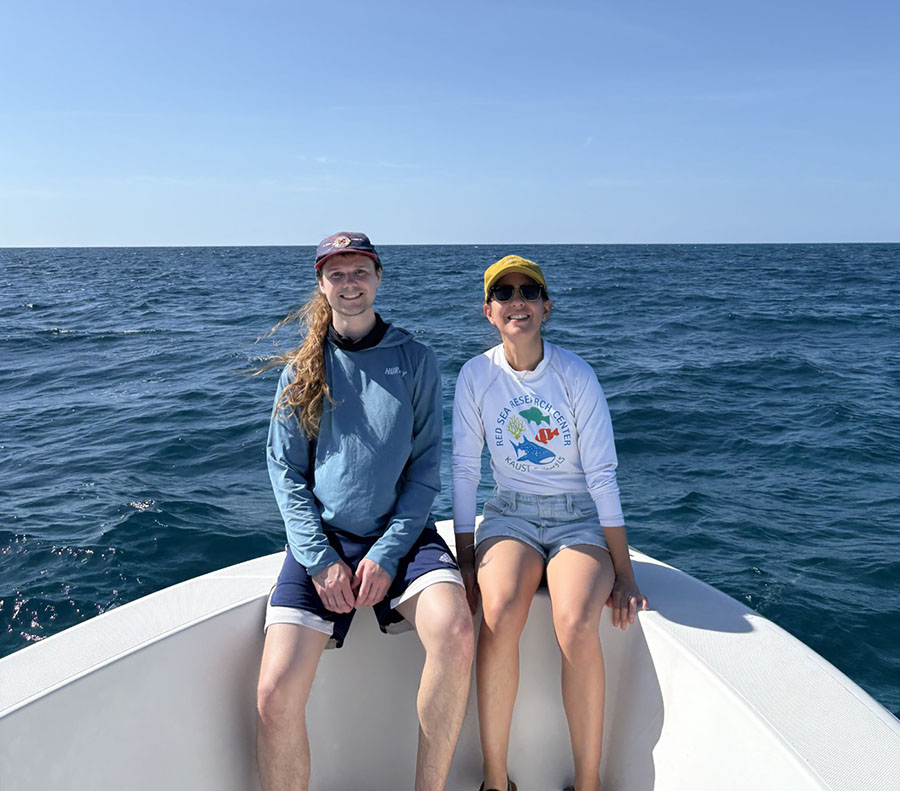 Anny Cárdenas and Ciarán Fitzpatrick collecting coral samples in Key Biscayne, Florida.