
Beyond the Syllabus: What AU Literature Professors Are Reading This Summer
Literature professors spend their careers reading and writing. So, what books are they picking up when they're on vacation or reading purely for pleasure?
We asked AU Department of Literature faculty what they’re reading right now, and the resulting reading list is thoughtful, eclectic, and occasionally surprising.
Their “beach read” selections range from Japanese animation and medieval mysticism to Percival Everett's bestselling novel James and Marcel Proust's In Search of Lost Time. Together, they offer a glimpse into the wide-ranging interests that keep these writers and scholars turning pages long after the semester ends.
Here's what's on their reading lists—and why:
Kyle Dargan
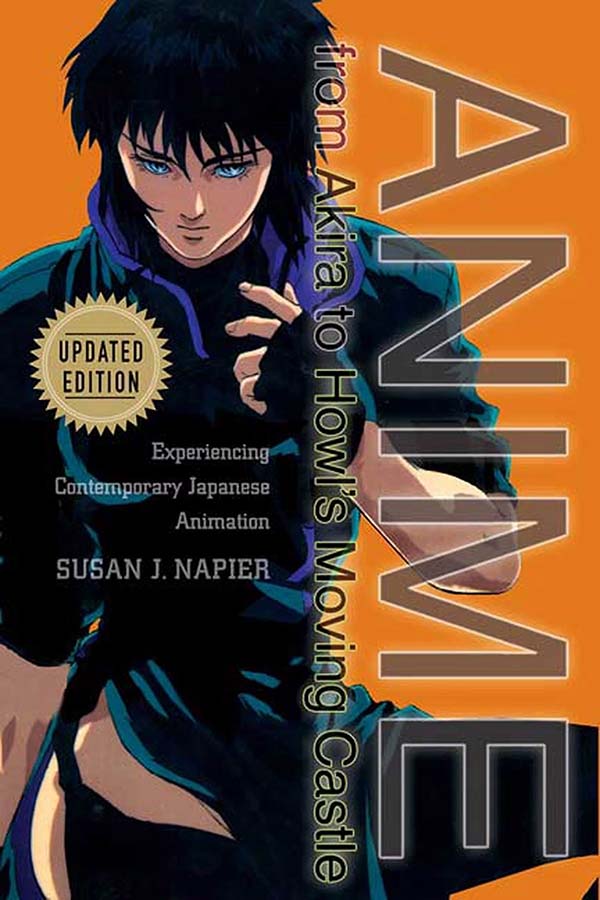
Admittedly, I am not a beach person. (Baking in the sun—or braising if you have an umbrella—no, thank you). So beach reading is a concept I have never understood. But a book I would take to the beach to survive (something to take my mind off the merciless heat) is Susan J. Napier's Anime from Akira to Howl's Moving Castle: Experiencing Contemporary Japanese Animation.
I have been watching anime since I was seven. Robotech was the inception of my love for 'mecha." Even then I knew, felt, Japanese animated storytelling was different . . . but I didn't know why. Napier's book does a wonderful job of laying out the framework, history, and tropes so that you can not only binge anime, but do so with some cultural context and understanding. We are all anime adjacent now—either your child or sibling watches Jujutsu Kaisen, or maybe you took a gamble on a live action adaptation. (May Netflix never be forgiven for what they did to Cowboy Bebop.) But if you want to bring back some relevant perspective to go along with your sunburn, take this book to the beach.
Lacey Wooton
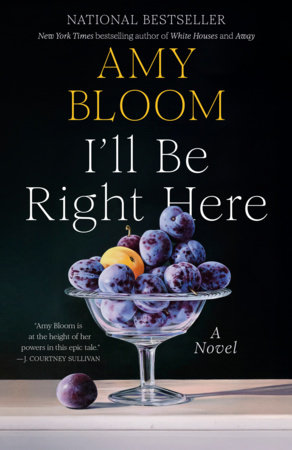
I just finished Amy Bloom’s I’ll Be Right Here. It has historical scope while still being intensely personal. The story begins with two Algerian orphans in Paris in WWII and continues to New York and the present day, as the initial main characters build and expand their families. The story involves courage, humor, and love, and Bloom’s writing is beautiful.
Oh, and there’s a cameo by Colette! I was enthralled.
Kate Wilson
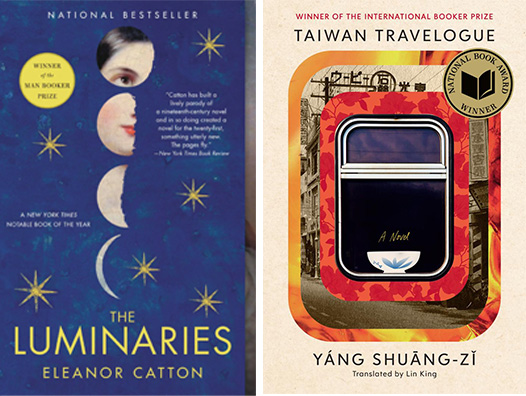
So far, The Luminaries by Eleanor Catton and Taiwan Travelogue by Yang Shuang-Zi, translated by Lin King. And Jane Austen’s Persuasion (I read it every summer).
Amanda Berry
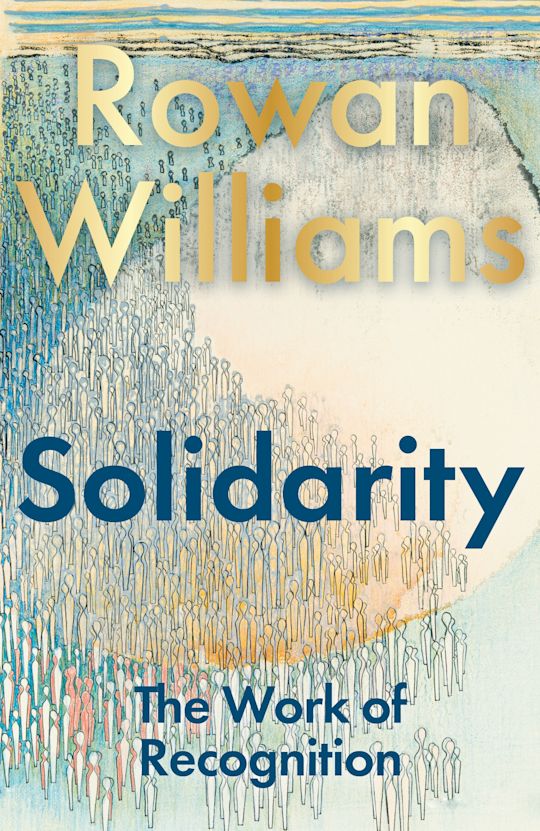
I’m reading The Work of Recognition by Rowan Williams, and I highly recommend it!
Williams treats solidarity as a demanding practice: a way of recognizing other people without folding them into our own image of what they should be. Moving across labor politics, racial justice movements, Catholic social thought, Solidarnosc in Poland, and figures like Dietrich Bonhoeffer, Jan Patocka, and Gillian Rose, he shows how solidarity has always involved both hope and difficulty. The book’s force, to my mind, is its insistence that solidarity is not just about declaring shared values. It asks us to listen harder, examine ourselves more honestly, and make room for others to be fully themselves. Anyone interested in justice, community, faith, politics, or the fragile work of living well with other people will get a lot out of it.
Sarah Trembath
I'm reading Reading Matthew Radically by a theologian named Larry D. George. By "radically," he means "from the root" (not "in the extreme," as we use it). So what he's doing is pulling key terms out of the biblical Book of Matthew and analyzing their original Greek roots. He's finding that Matthew's original meaning was far more mystical than its usual historical and ethical interpretation in English translations, and he's supporting transcendental applications of scripture through those analyses juxtaposed with the writings of ancient mystics like Theresa of Avila and John of the Cross et al.
In case that sounds like a nightmare or a bore, it's totally not. It's a rhetorician of faith's dream book!
David Pike
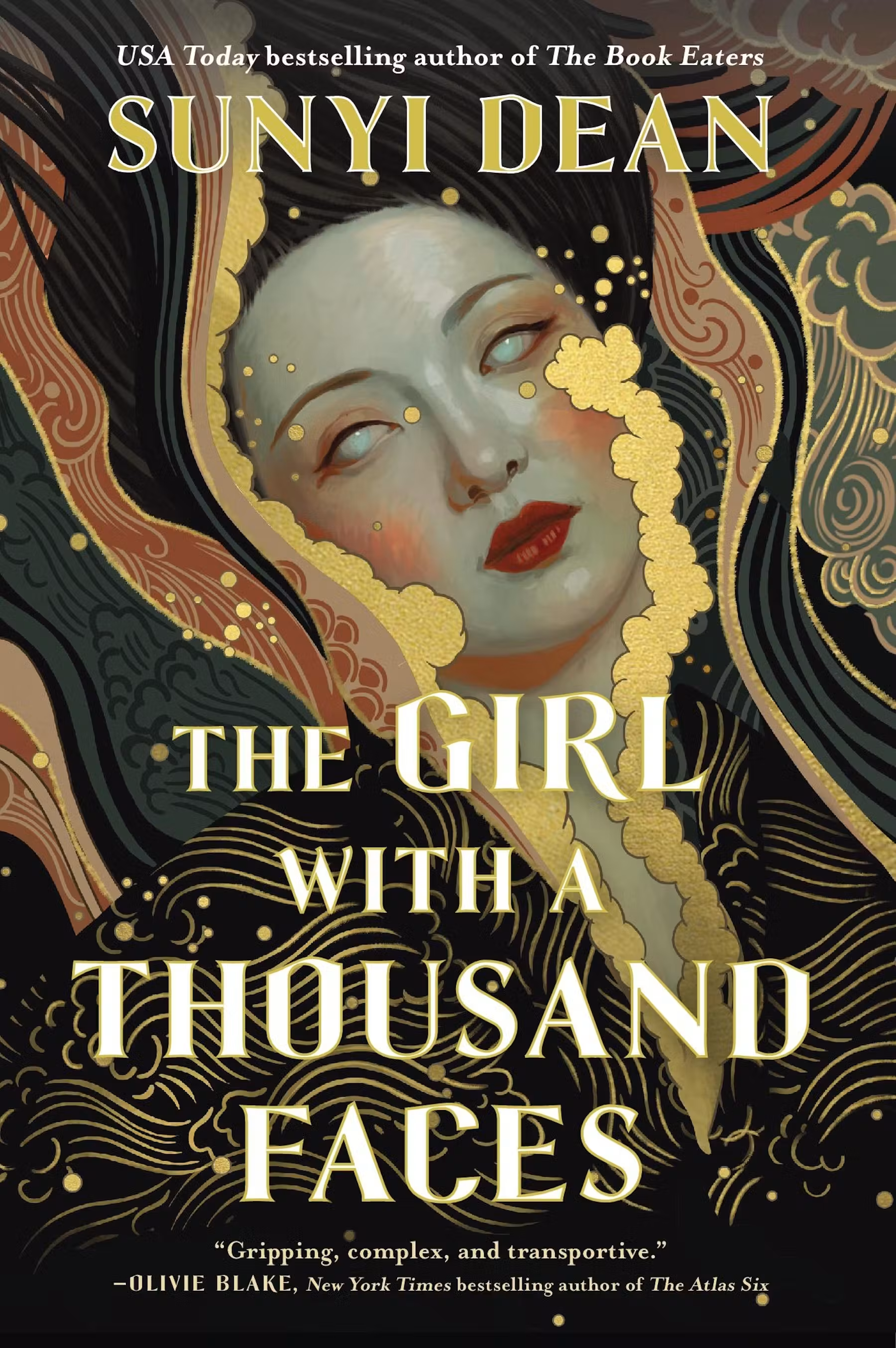
I am reading The Girl with a Thousand Faces, by Sunyi Dean, a riveting, imaginative, and deeply researched ghost story set in Kowloon Walled City in Hong Kong during the 1970s and on the nearby (fictional) island of Shek Ham Chau during the Japanese occupation.
Almost as good as my favorite summer read of 2025: Tashan Mehta's Mad Sisters of Esi.
Marianne Noble
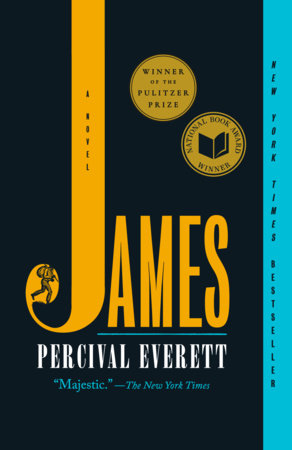
James, by Percival Everett, retells the story of Huckleberry Finn from the point of view of the slave, Jim. It starts off following the plot line of Huckleberry Finn but then moves away from it as that plot line comes to seem increasingly absurd for the profoundly humane and reflective man that we get to know. It is a compelling read!
Patricia Park
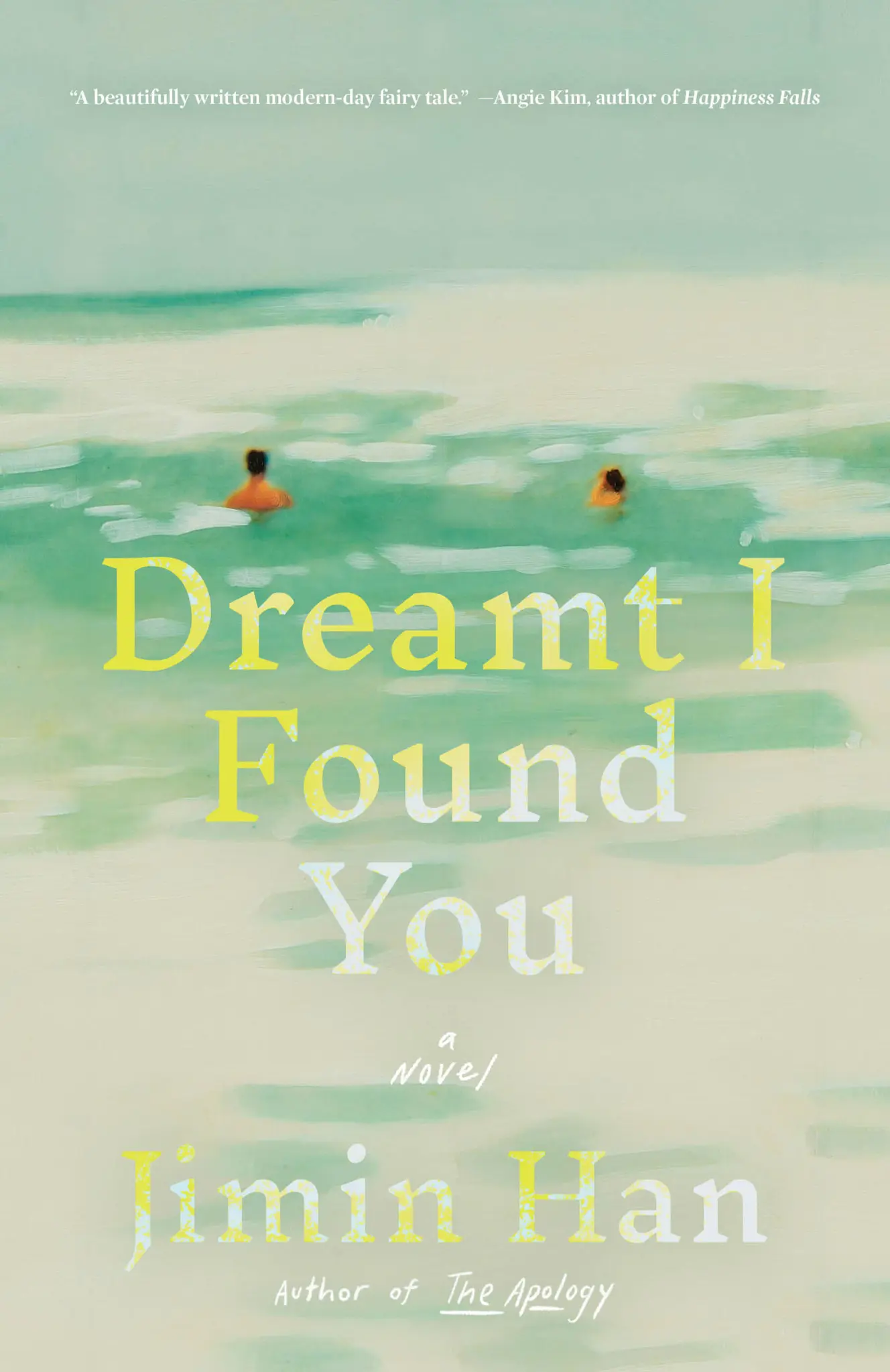
I’m reading Dreamt I Found You by Jimin Han.
It's a gorgeous retelling of the Korean folktale Chunhyang (Korea’s Romeo & Juliet), set in a New England coastal town. You can practically smell the salt-laced air—and the romance brewing in these pages.
Richard Sha
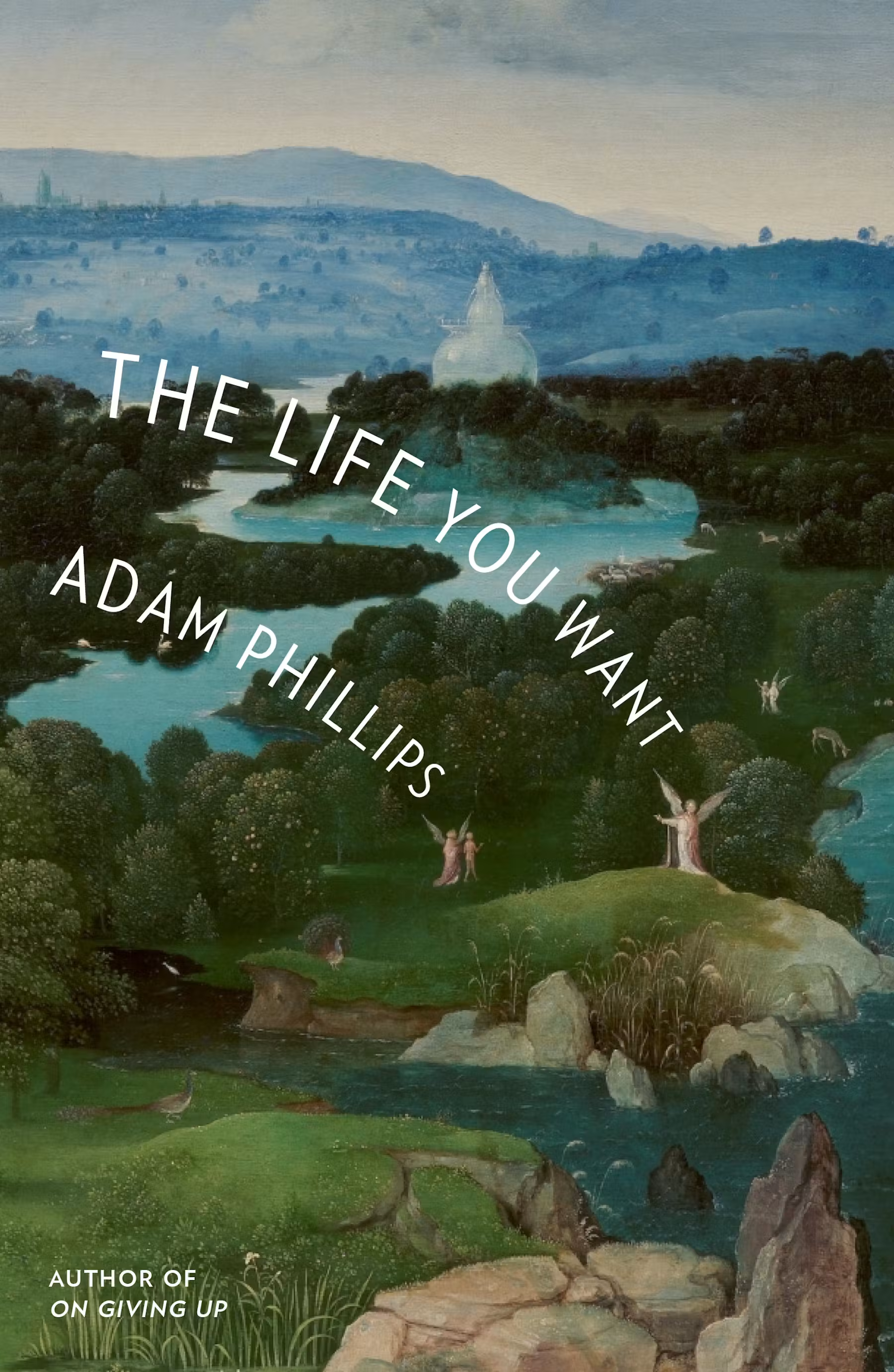
I’ve just finished The Life you Want by Adam Phillips.
Phillips is the leading psychoanalyst in Britain as well as the editor of the Freud edition. This perceptive study examines why you think the life you want is the life you want. It also asks what a life you want actually might mean. What is desire? How to know which desires to pursue and why?
Adam Tamashasky
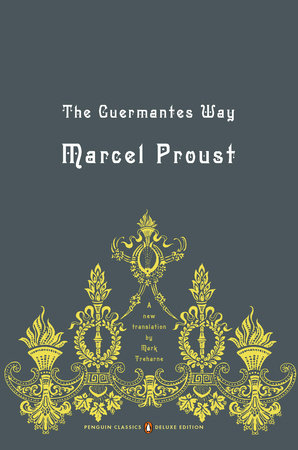
This is my third summer of Proust; I'm reading a volume of In Search of Lost Time each summer (the Moncrieff translation), so I'm getting into The Guermantes Way. What's it about? Who knows. Basically obsessing about details and situations in some of the most beautiful sentences ever, this time in Paris.
Rhonda Zimlich
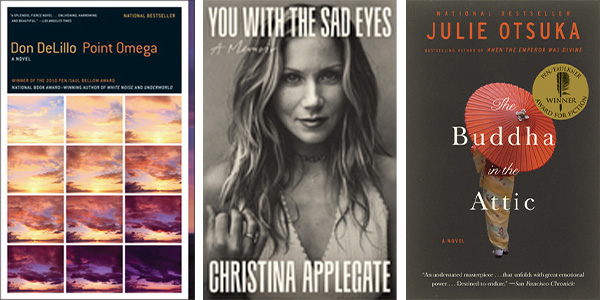
The Buddha in the Attic by Julie Otsuka, is a plural narrative about "picture brides" immigrating to the US in the early-mid 1900s. The novel's voice shifts once Japanese internment camps are introduced, and the change in narration is impactful, devastating, and incriminating.
Also, Point Omega, by Don Lillo. And listening to the audiobook memoir You With The Sad Eyes, by Christina Applegate, who has MS like me. She narrates it herself and wears her emotions out loud!