
9/11, 25 Years Later: Reflections from the SIS Community
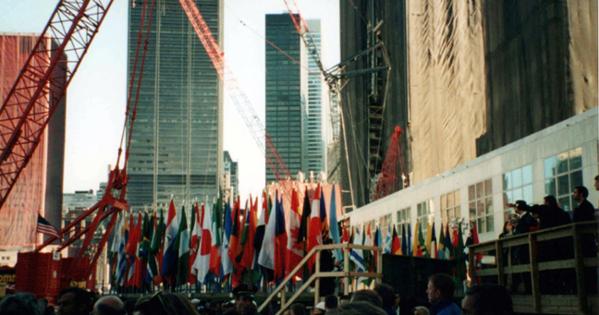
Twenty-five years ago, on September 11, 2001, the world changed. For many in our School of International Service (SIS) community, so did the course of their lives, as that day shaped their motivations, their world outlook, or their career trajectories.
As we begin a new school year, we recognize that many of our incoming students—undergraduate and graduate alike—were not yet born on that historical day, though they are headed into the fields it directly shaped. We asked our community to share their stories of where they were that morning. Their stories share a common theme: how a single day can shape the course of your own life, and how SIS continues to prepare the next generation to serve our world.
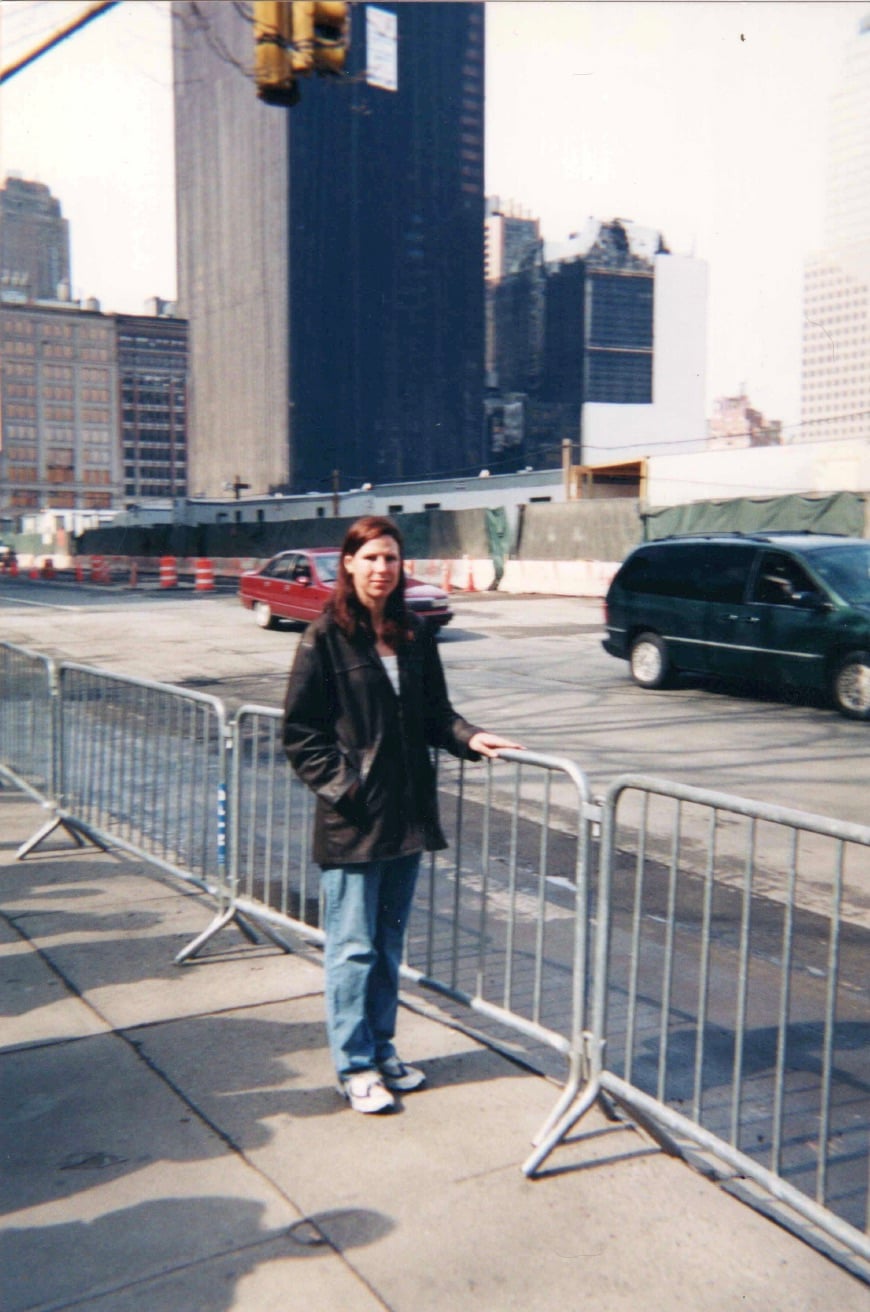 Ambassador Piper Campbell Chair of the Department of Foreign Policy and Global Security; SIS professor
On 9/11, I was an American diplomat working at the U.S. Mission to the United Nations (UN) in New York. I still remember the confusion, disbelief that this was happening, and worry from not being able to connect with friends and family as cellphone circuits overloaded. I'm still moved by the memory of how in the weeks afterwards both New York City and the UN came together. Citizens of some 60 different countries died in the 9/11 attacks. 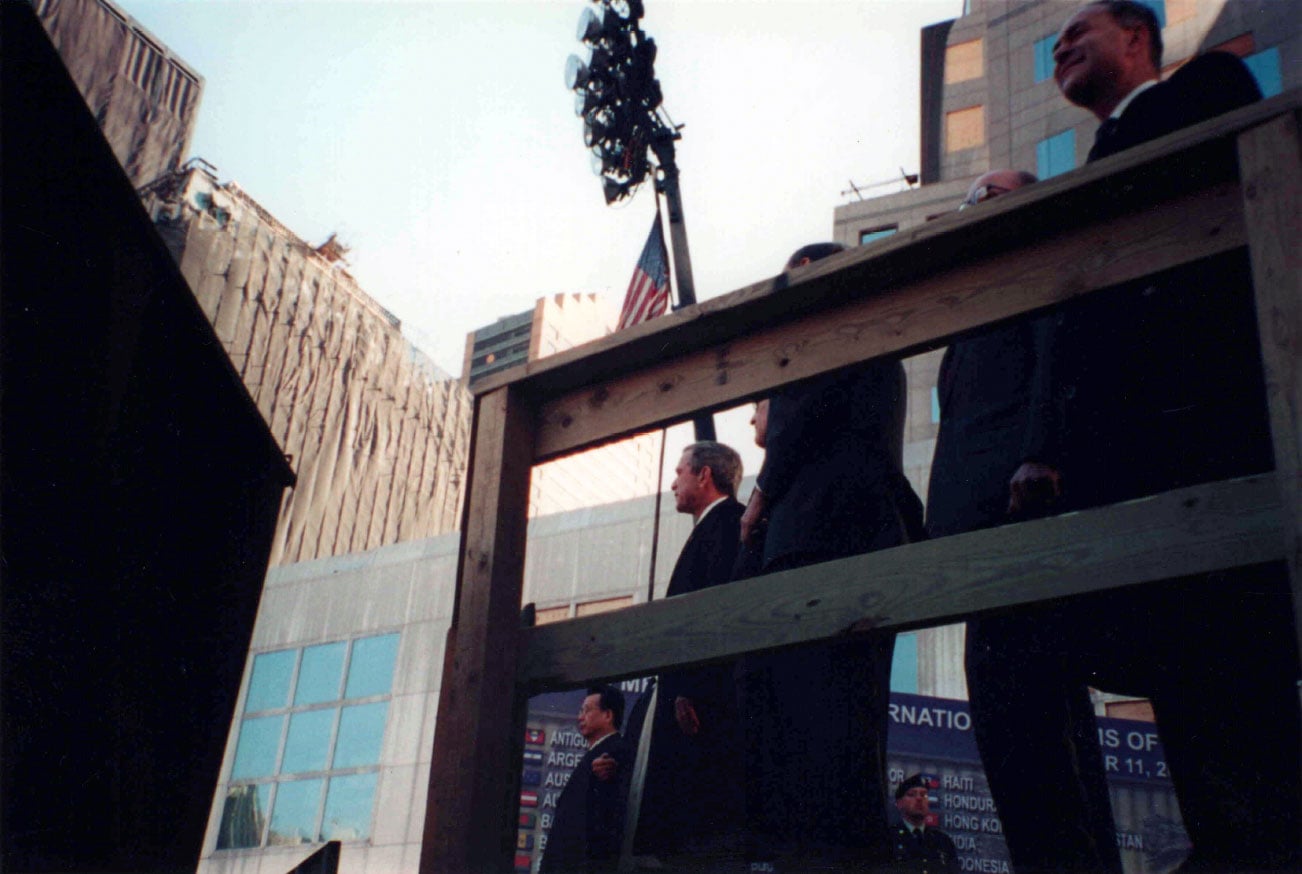 I attended memorial services, worked with others at the UN on resolutions condemning the attacks, and initiated a fundraising campaign through which diplomats across UN missions could contribute funds to first responders and their families.
 Jason BakerSIS/MIS ’19
I was a high school senior who watched the second tower get hit live in my English classroom. I'd been considering ROTC for college but wasn't sure about it yet. That Friday I caught a touchdown pass in our football game, and the crowd was full of people waving not flags of our mascot, but of the USA, and I made my decision. Becoming an Air Force officer was a result of 9/11, and the reason I ended up at AU to study international relations, on assignments around the world, and have now retired from the military to work in DC on national security policy in AI safety.
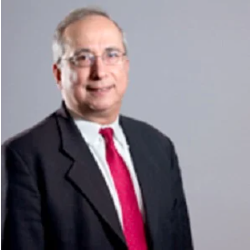 Gregory Afandilian
SIS Professor
I was a Senate Foreign Relations staffer on Capitol Hill when 9/11 happened. I was briefing members of the American Foreign Service Association that morning when a Capitol police officer came into the room and told us all to evacuate. Confusion soon reigned, as people got into their cars to leave the area, but all this did was to create total gridlock. Instead, I joined a few colleagues and walked to a coffee shop on the Hill and watched the events unfold on CNN in disbelief. At this point cell phones were not working, and so I could not get in touch with my family. About eight hours later, I finally got into my car and drove to Virginia via a roundabout route through Maryland.
I was already a Middle East specialist at the time of 9/11, but those events deepened my interest in the region and why extremism took hold there among a minority of people. During my academic career, I have sought to put these events in perspective to my students, showing that while Al Qaeda's ideas and tactics are worthy of study, they should not be seen as representative of a majority of Muslims who reject such extremism and violence.
Listen to our Big World podcast with Gregory Aftandilian on 25 years after 9/11.
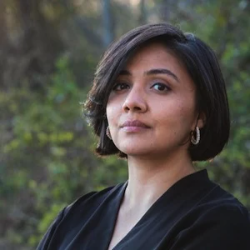 Mariam DurraniSIS professor
I vividly remember the sense of panic as the events of September 11 unfolded before our eyes, but I also remember an immediate concern for brown immigrant communities and the backlash that would inevitably follow. At the time, I was a junior at the University of Arizona in Tucson. Many of our worst fears were realized only days later when a gunman murdered Balbir Singh Sodhi, a 52-year-old Sikh American businessman outside Phoenix, in what he described as "retaliation" for the attacks.
Read Mariam's full reflection on the day and deeper analysis: "Anti-Muslim Racism 25 Years After 9/11: What's Changed, and What Hasn't?"
Kelly Adams-SmithSIS/BA ’91, SIS professor
After graduating from SIS in 1991, I joined the Foreign Service in 1997. From 2010–2011, I served as a watch officer at the State Department Operations Center, the 24-hour nerve center of U.S. diplomacy. The day before 9/11, I had started an economics training program at the Foreign Service Institute (FSI). On 9/11, I watched on a TV monitor at FSI as the Twin Towers were hit and was told to evacuate the building and go home. As I was leaving the building, from the parking lot of the training center in Arlington, VA, I saw the smoke from the Pentagon crash. My Operations Center training kicked in. Instead of evacuating, I went back into the FSI building and, with a few former Operations Center colleagues who also found themselves at FSI, began setting up an alternate Operations Center on the FSI campus in the event that the State Department itself had to evacuate. Not long after, the Department was, in fact, evacuated, and State Department leadership all decamped to the alternate Operations Center that I had helped set up only hours before, and we took over communications and crisis management for the Department. That experience taught me the value of preparation and practice and showed me that a career in public service would sometimes mean running toward danger rather than away from it.
I have now returned to American University's (AU) School of International Service as an adjunct professorial lecturer and am teaching the same courses that originally got me interested in international and public service. I am honored to have the opportunity to now prepare the next generation of public service professionals.
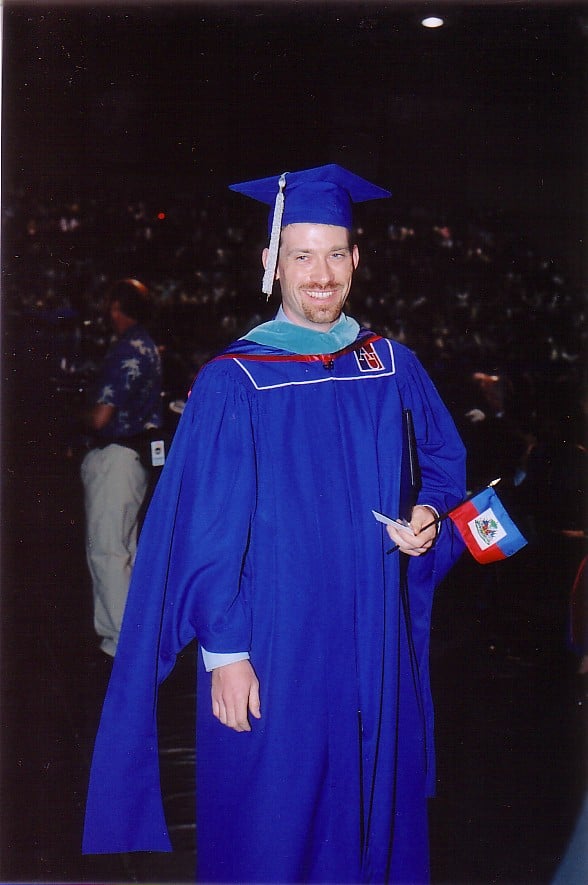 Robert KelleySIS/MA ’04, SIS professor
I started my master’s program in International Peace and Conflict Resolution here at SIS four months after 9/11, and the event caused the whole experience to take on entirely new meaning. It was clear that the world was forever altered by the trauma, profoundly affecting the mood of the AU community and reaching into every aspect of our work in the classroom. We were all grieving while trying to figure this out.
On a personal level, my whole career trajectory shifted. As the U.S. began centering the new Global War on Terrorism in Afghanistan and Iraq, I used my time here as a student to start grappling with the question that weighed on many minds: how did this happen? At home, a jarring new realization grew from the difference between how the U.S. saw itself and how others viewed the U.S., and that became the foundation of a new academic identity for me that first took shape with the guidance of two marvelous SIS faculty mentors, Gary Weaver and Mohammed Abu Nimer, who helped me start to make sense of a senseless act. This is how I got my professional start in public and cultural diplomacy and the work continues to this day.
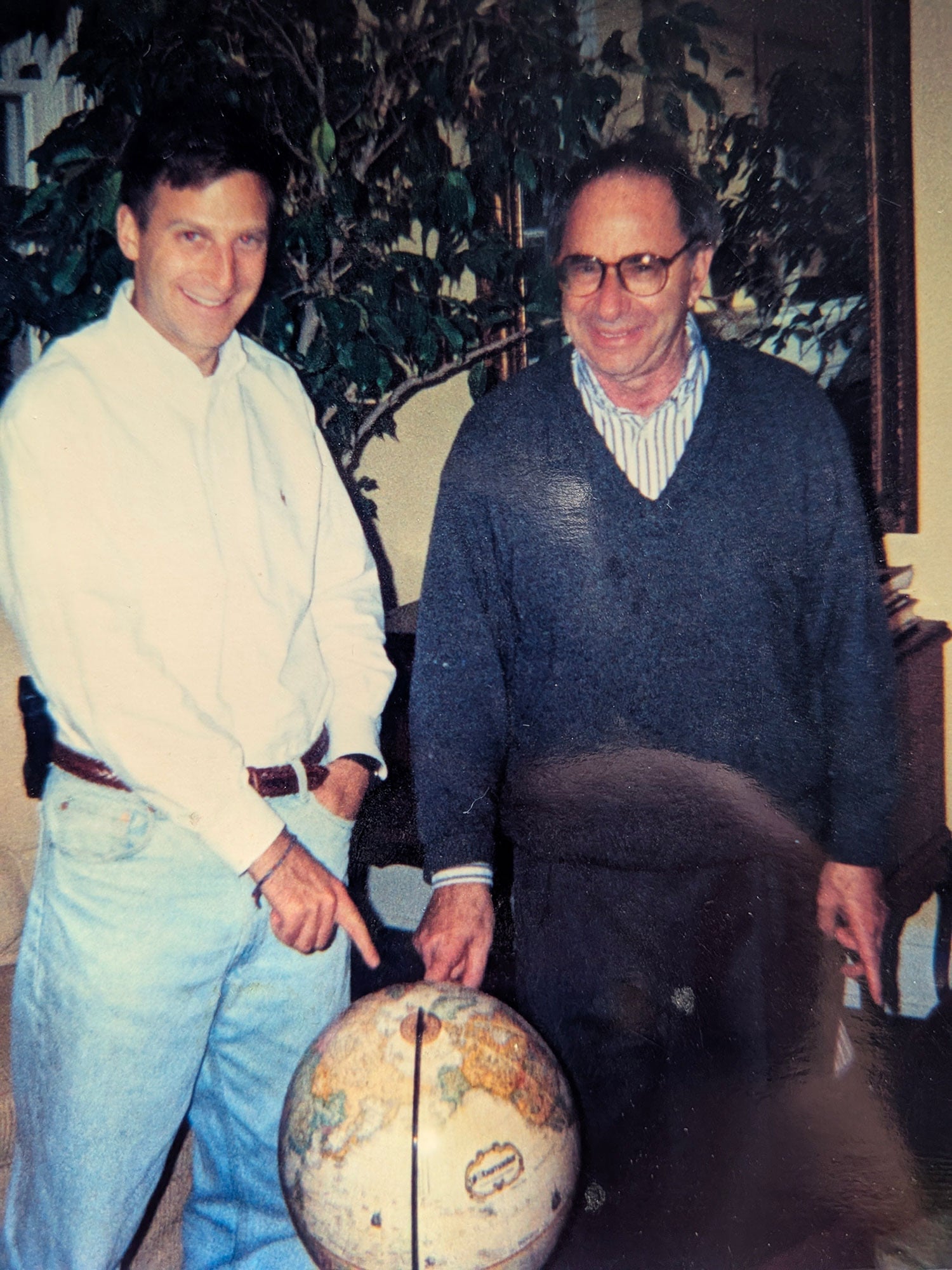 Carl LevanSIS professor
In the summer of 2001, I had just finished the first year of my PhD program. I was a Seymour Melman Fellow at the Institute for Policy Studies, co-editing a book exploring how little the American national security state had changed after the end of the Cold War. When 9/11 happened, Marc Raskin, Kai Bird, Norman Mailer and other contributors had to take a moment to reflect. We decided the War on Terror largely accelerated trends in secrecy and militarization.
When I arrived at AU a few years later, I used 9/11 in my classes as an example of a critical juncture — and was always struck by the obligation we as professors have to explain where it came from. I also loved teaching an essay about how international relations suffered from a narrow understanding of violence. In my research and professional engagement with the U.S. government, I became concerned about how militarization displaced important development assistance and support for democracy, as terrorism served as a national security "catchall."
Christine GettingsSIS/BA ’02, SIS/MA ’08; SIS director of international programs and partnerships
In Fall 2001, I was a senior at SIS, taking Professor Christine Chin’s Intercultural Communication capstone. I remember walking to her class from my room in Hughes Hall when I learned that the second tower had been hit. I couldn't wrap my head around what was happening; I had seen the initial news reports of the first plane and thought, "Surely this was an accident." When I heard about the second hit, I didn't know what was happening, but I knew it was terrible.
Every student entered that classroom in complete disbelief. I remember classmates saying, "This can't be... This doesn’t make sense," and, "Globalization was supposed to make things better." As kids, we had watched the Berlin Wall fall, and we were taught that the end of the bi-polar world and free trade would promise an era of peace. So how could this happen?
Professor Chin’s class was already pushing us to interrogate these assumptions, but rather than turning that moment into an intellectual exercise, she scrapped her lesson plan. She held space for us by listening, facilitating, and sharing in our disbelief. Decades later, I think of her calm presence and her encouragement of us to ask hard questions. It not only helped prepare me for a world defined by instability and conflict but shapes the way I approach my work with students today. When classes were canceled halfway through, she sent us off with genuine care, telling us to look out for one another.
Seeking that same sense of connection later that afternoon, students, faculty, and staff naturally drifted toward the quad outside the Kay Spiritual Life Center. University Chaplain Joe Eldridge led an impromptu interfaith gathering, bringing together leaders from a variety of spiritual traditions for a memorial and peace gathering. The deep sense of care and community in that space sustained us through a confusing and emotional afternoon. When the world felt uncertain and scary, we knew we were anchored by our community.
That afternoon on the quad, paired with the leadership and care in Professor Chin’s classroom, completely reshaped my life’s work and how I chose to apply my degrees in International Affairs (SIS/BA ’02, SIS/MA ’08). It showed me that working in higher education is fundamentally a "ministry of presence"—a philosophy Joe Eldridge embodied, and one he formally introduced to me when he later hired me as the assistant director of the Kay Spiritual Life Center during my graduate studies. Together, he and Professor Chin taught me that students need more than just intellectual grounding; they need a community of care. Ultimately, 9/11 and the mentors who guided me through it made me realize I didn't just want to study international affairs. I wanted to work in international education and build that community of care by building real, people-to-people connections and approaching global work from a place of hope.