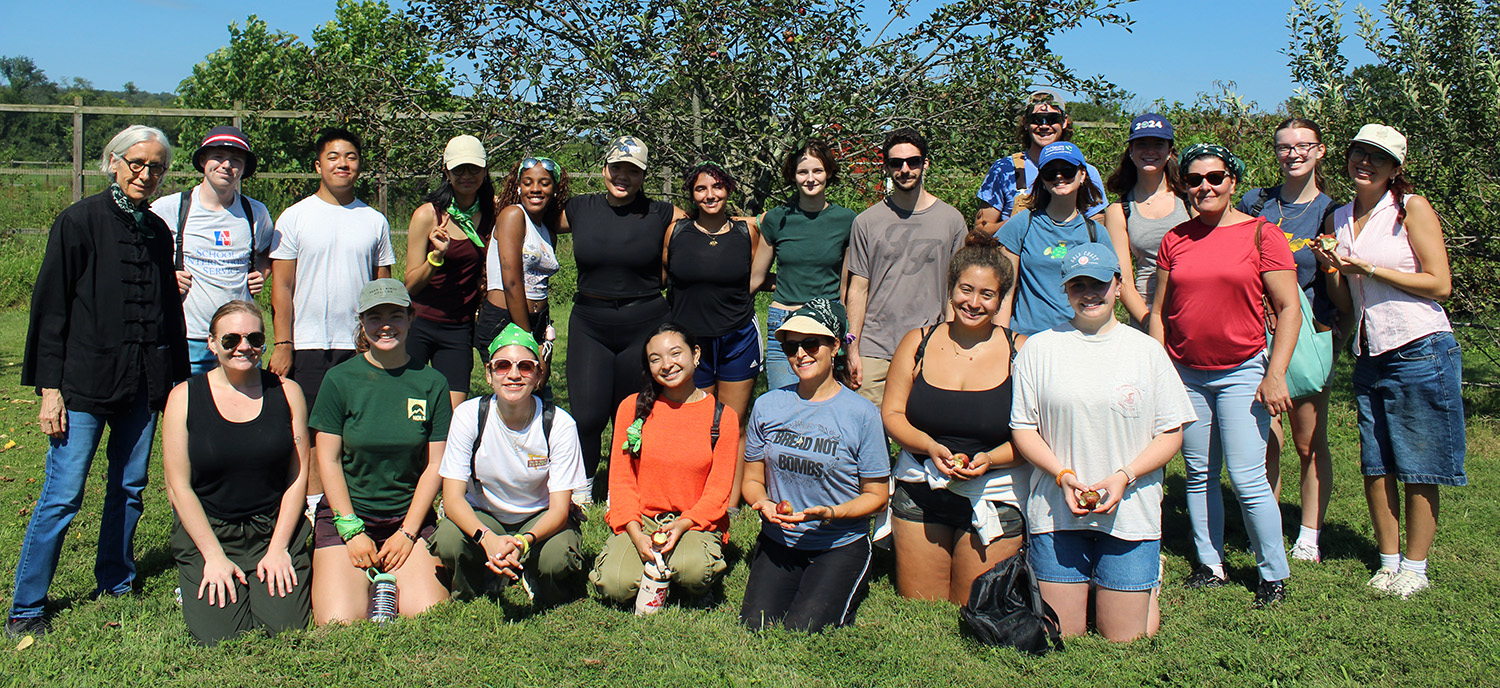
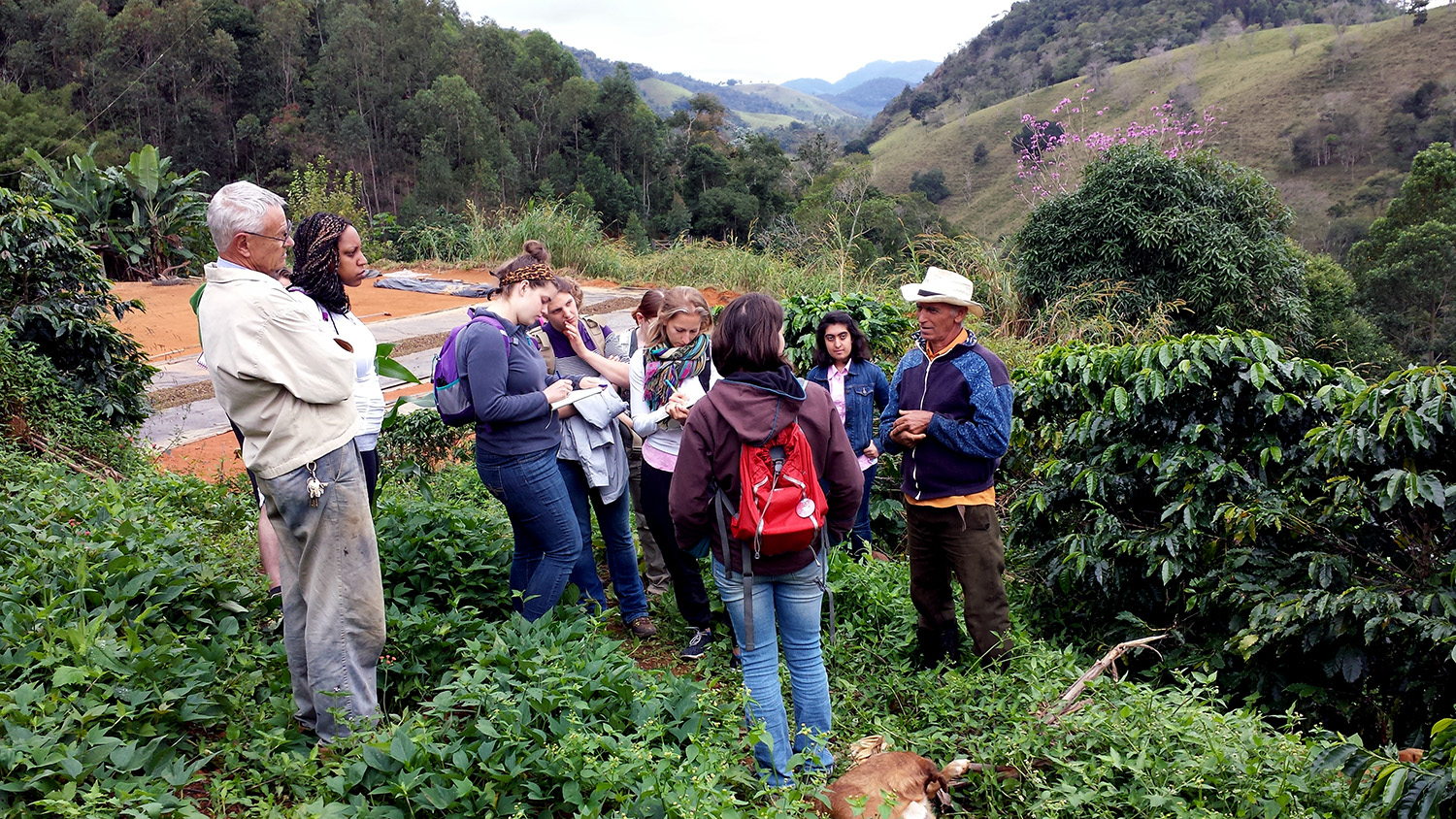
Earth Scholars
Earth Scholars is an innovative, community-driven program bringing together students who are passionate about environmental sustainability, social equity, and public health.
Learn More

School of International Service on a map
4400 Massachusetts Avenue NW Washington, DC 20016 United StatesThe close-knit Abdul Aziz Said Peace Scholars program brings together up to 20 SIS students each year who share a commitment to advancing Professor Abdul Aziz Said's life's mission—the study of peace, conflict resolution, and interfaith dialogue. Inspired by one of SIS's most beloved and transformative figures, Said Peace Scholars carry Professor Said's legacy forward, building the knowledge, skills, and relationships to wage peace during their undergraduate years and beyond.
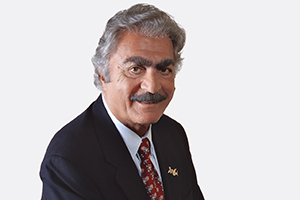
Born in Syria, Professor Said was educated in his country of birth (he was forced to attend French school during France's occupation of Syria), Beirut, and Cairo before arriving in Washington, DC. He founded and directed SIS’s Center for Global Peace and worked with students in 1995 to create the MA in International Peace and Conflict Resolution (IPCR). Under his direction, IPCR quickly became one of the world’s largest such programs.
Professor Said was a trailblazer. He helped build the field of peace and conflict resolution in the United States through his 25 authored and co-authored books and through his initiative to bring peace studies, with its emphasis on justice and the underlying causes of conflict, into dialogue with the field of conflict resolution. His scholarship drew early attention to topics underrecognized in the field that subsequently came to the forefront of studies in international relations. His 1963 book, Concepts of International Politics in Global Perspective, co-authored with the then-SIS dean Charles O. Lerche Jr., analyzed non-Western approaches to international relations. His 1977 book, Ethnicity and U.S. Foreign Policy, examined the role of hyphenated Americans on diplomacy. Much of his scholarship analyzed the role of spirituality and religion in international relations, and he was a leader in writing on Islamic concepts of peace. His most recent work focused on localizing peacebuilding.
Professor Said’s expertise was widely recognized by policymakers and thought leaders in and out of government. He consulted on matters pertaining to the Middle East, to Islam, and to peace with the U.S. Departments of State and Defense, the United Nations, and the White House Committee on the Islamic World. In 2007, he was awarded the El-Hibri Peace Education Prize. It is further evidence of Professor Said’s lasting impact on SIS that three separate funds have been established in his honor: the Abdul Aziz Said Phi Epsilon Pi Scholarship assists undergraduate students with a dedicated commitment to diversity, the Abdul Aziz Said Scholarship Fund aids graduate students in the IPCR program, and the Abdul Aziz Said Peace and Conflict Resolution Fund supports initiatives within SIS to foster a deeper understanding of the critical issues around peacebuilding and conflict resolution.
He was a gifted and beloved teacher who especially attracted international students. His mentees included peace activists and leaders around the world, including Germany’s Green Party founder Petra Kelly, SIS/BA ’70. Many of us in SIS-AU have long been accustomed to alumni approaching us during trips abroad to send their good wishes to “Professor.” His course on peace paradigms famously closed with consideration of the role of love and spirituality in global peace. Reflecting his commitment to interfaith inclusion, when Jewish students approached him with frustrations that no campus fraternity would admit them, he helped them create AU’s Jewish fraternity, Phi Epsilon Pi, and he served as its faculty adviser for decades.
As a Said Peace Scholar, you'll take specially designated courses alongside your fellow scholars, engage with organizations at the forefront of peacebuilding and conflict resolution in Washington, DC, and around the world, and participate in events like the Interfaith Unity Walk and International Day of Peace festivities. From visits to leading human rights and peacebuilding organizations to volunteer opportunities tutoring immigrants and refugees, you'll do hands-on work putting the principles of peace into practice.
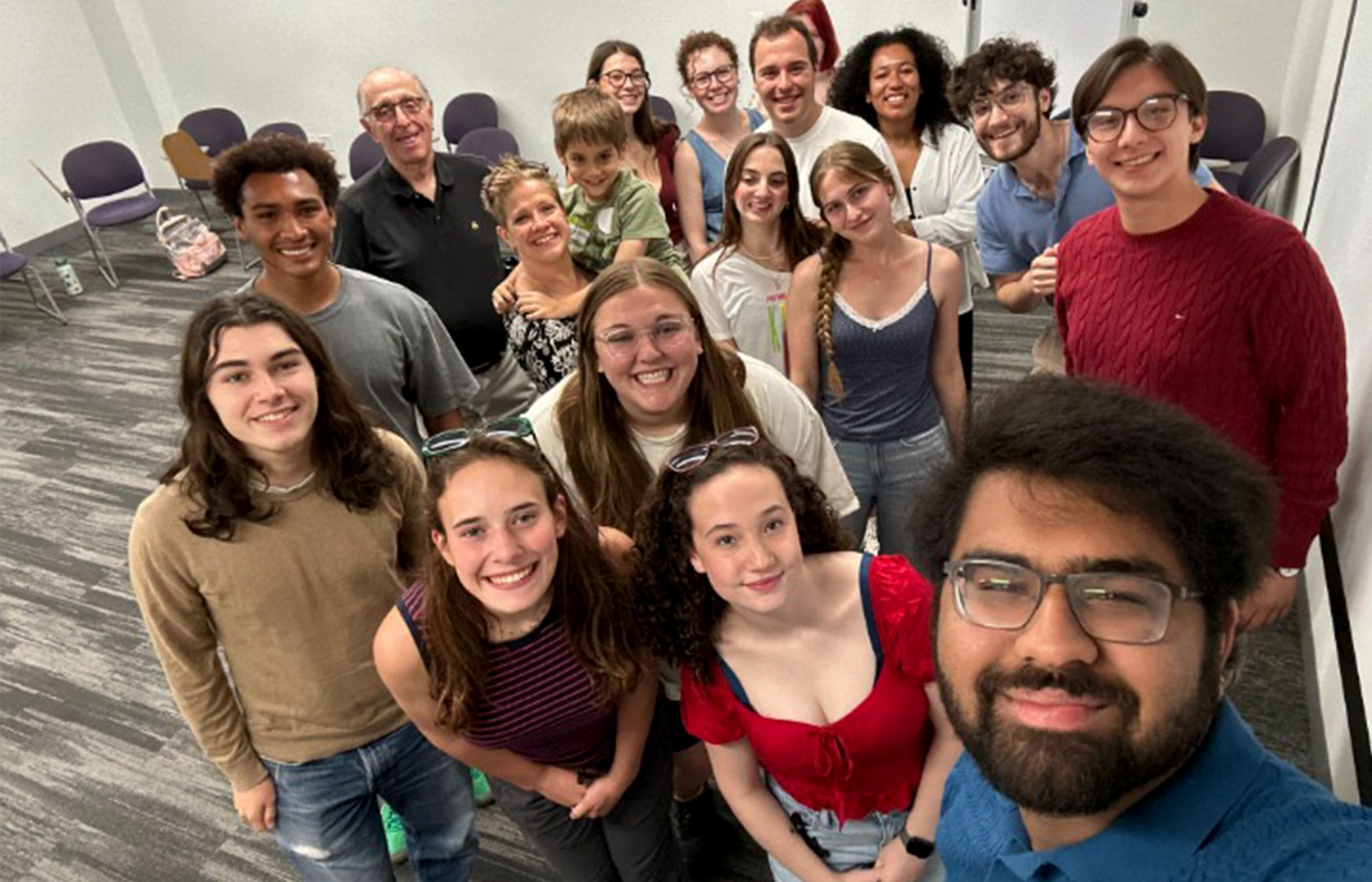
Said Peace Scholars, 2025-2026
The Said Peace Scholars curriculum grounds you in the essential knowledge and skills needed to understand and address conflict in all its forms. You'll take special sections of SISU-205 and SISU-210 alongside your fellow scholars, connecting you with the people you'll work with throughout the program.

How does where you grew up shape the way you see the world and the way others see you? This course explores the complex relationship between culture, identity, and communication across borders, boundaries, and intergroup inequities. You'll examine verbal and nonverbal communication, the dynamics between dominant cultures and subcultures, and the challenges of cross-cultural conflict, adjustment, and adaptation, using real global case studies to bring these concepts to life. By the end of the course, you'll have a deeper understanding of why culture matters and the flexible communication skills to navigate it.

Peace is more than the absence of war, and conflict can take many forms. This course explores the central concepts of peace and conflict resolution, examining why conflict happens and how it can be addressed around the world. From individual theories of human nature to intergroup dynamics of identity and mobilization, you'll develop the analytical tools to understand conflict from multiple perspectives and think critically about what it takes to build lasting peace.
Said Peace Scholars is open to first-year SIS students who intend to major in international studies and are interested in pursuing a primary or secondary thematic area focus in Peace, Global Security, and Conflict Resolution. Applicants must have completed SISU-105 by the end of their first year and maintain a GPA of 3.0 or above in both their major and overall coursework. If you're passionate about peace and ready to do the work, we encourage you to apply.
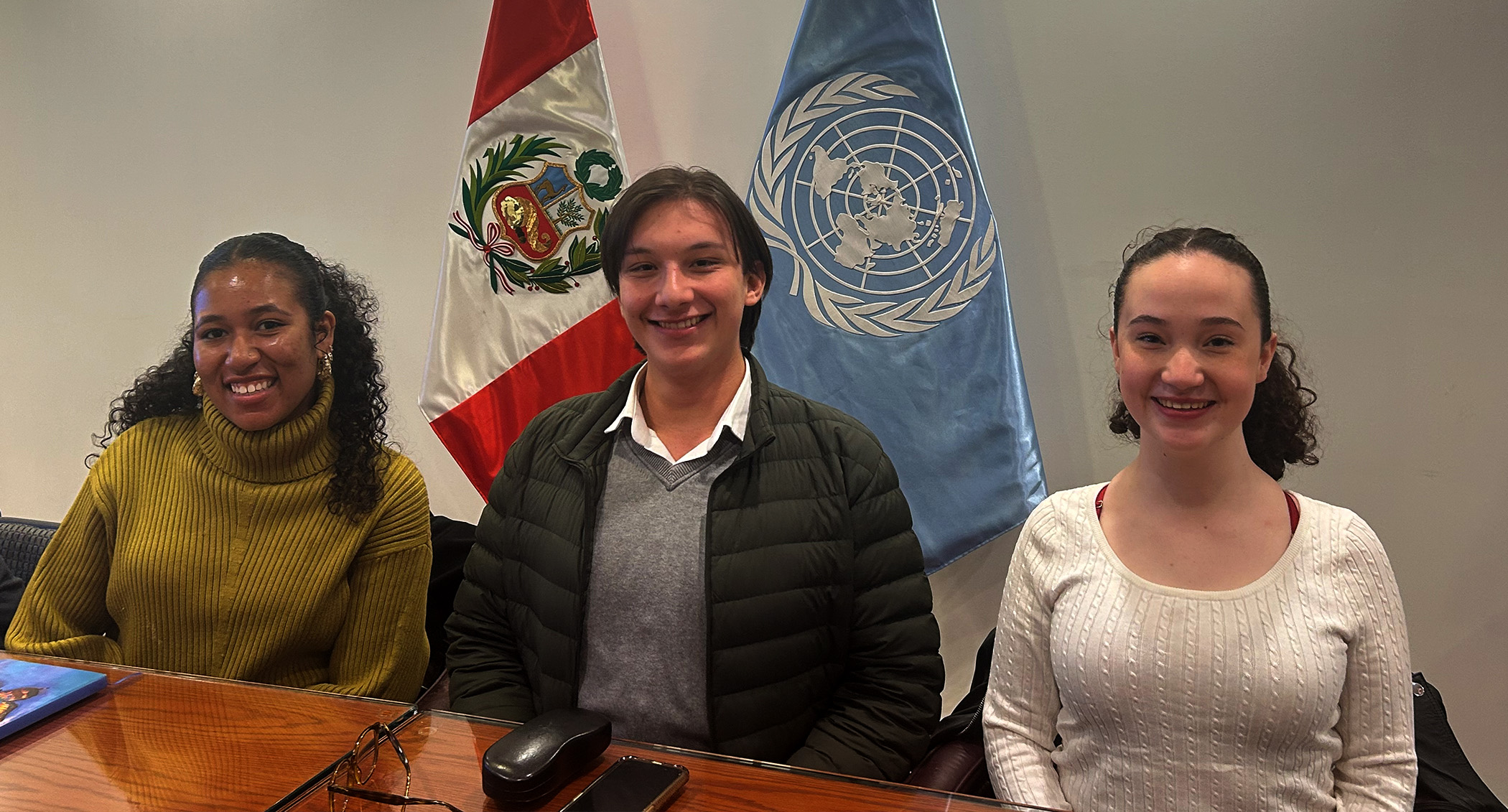
Visiting the Peruvian Mission to the UN in New York City
An announcement will be made during the fall semester when the Said Peace Scholars online application opens. Completed applications will be due by early February. In addition to the online application, you will need to provide your current resume, an unofficial transcript, and a letter of recommendation, which your recommender can send directly to [email protected]. All materials must be received by the deadline to be considered for the following academic year.
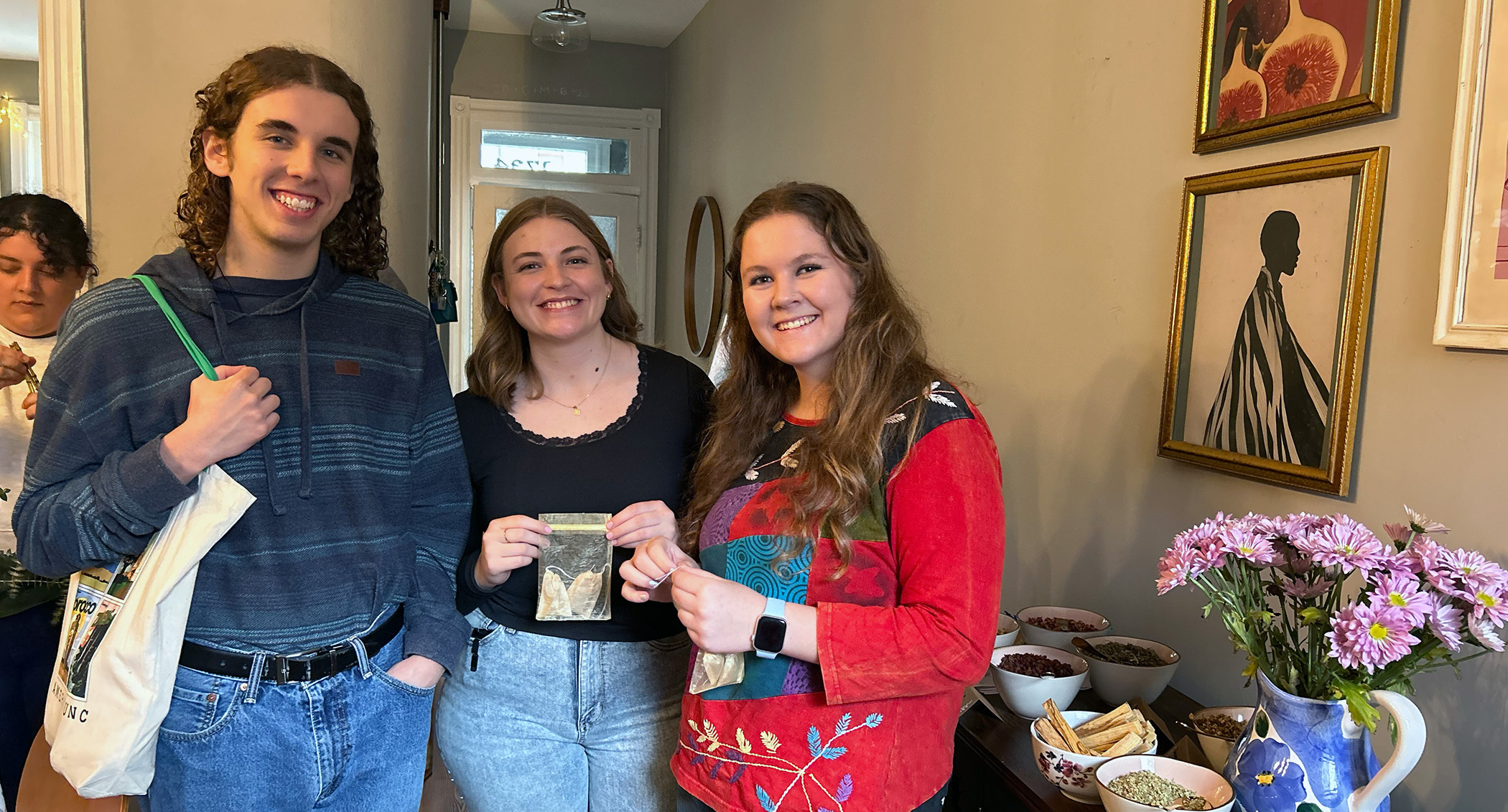
Said Peace Scholars attend an Interfaith Spring Rituals event at the Abrahamic House in DC
Have questions about Said Peace Scholars? Drop us a note using the form below.
Earth Scholars is an innovative, community-driven program bringing together students who are passionate about environmental sustainability, social equity, and public health.
Learn More
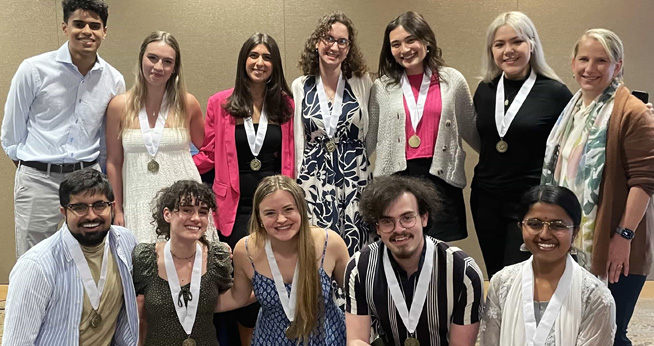
Students in the SIS Honors Program take exclusive colloquia alongside classmates who will quickly become friends and complete a year-long independent research project.
Learn More

As an Olson Scholar, you'll learn alongside classmates in exclusive courses while pursuing original research with a faculty mentor whose expertise aligns with your own interests.
Learn More
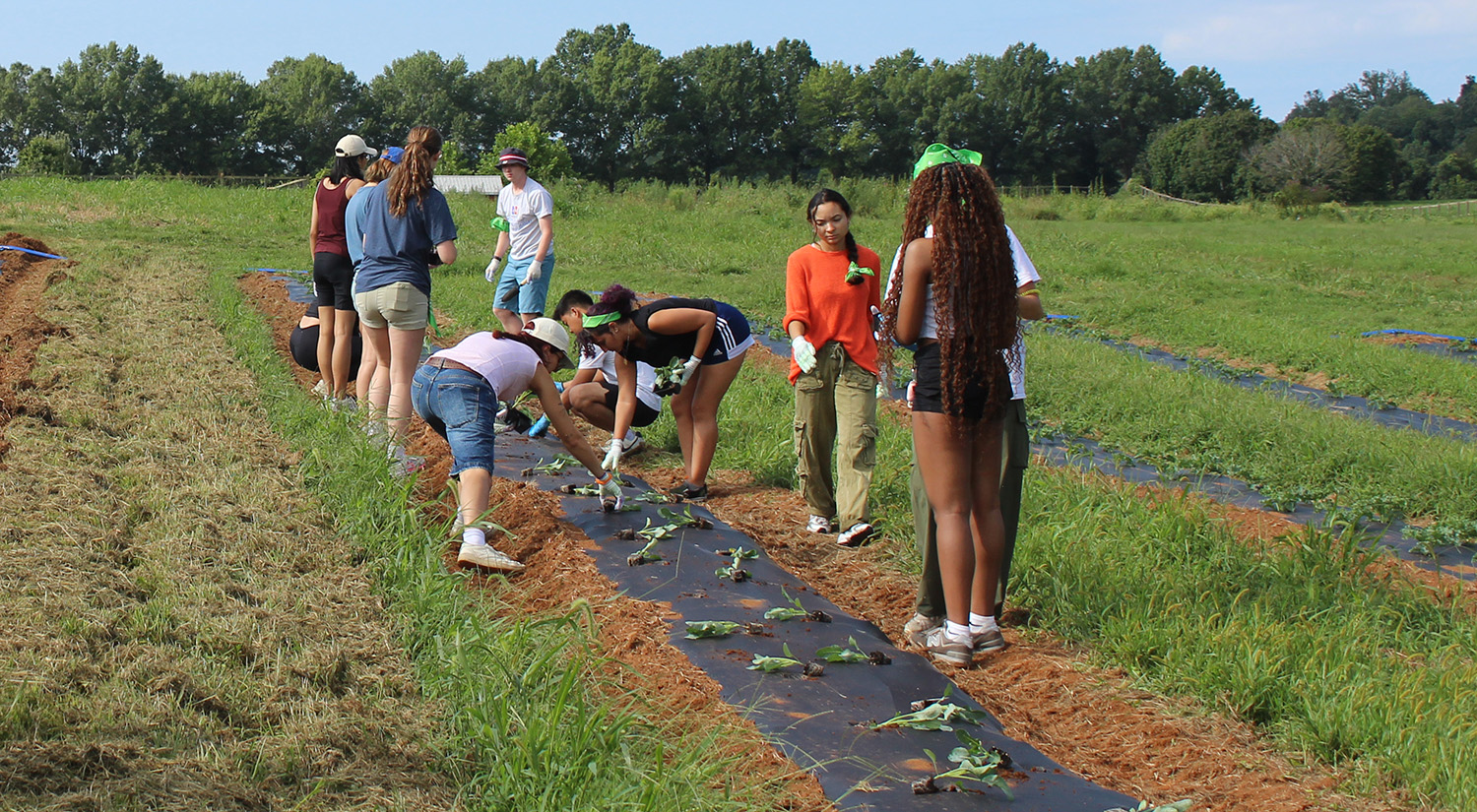
Equip yourself to address local and international environmental, health, and social challenges facing our world through hands-on, community-based learning.
Learn More
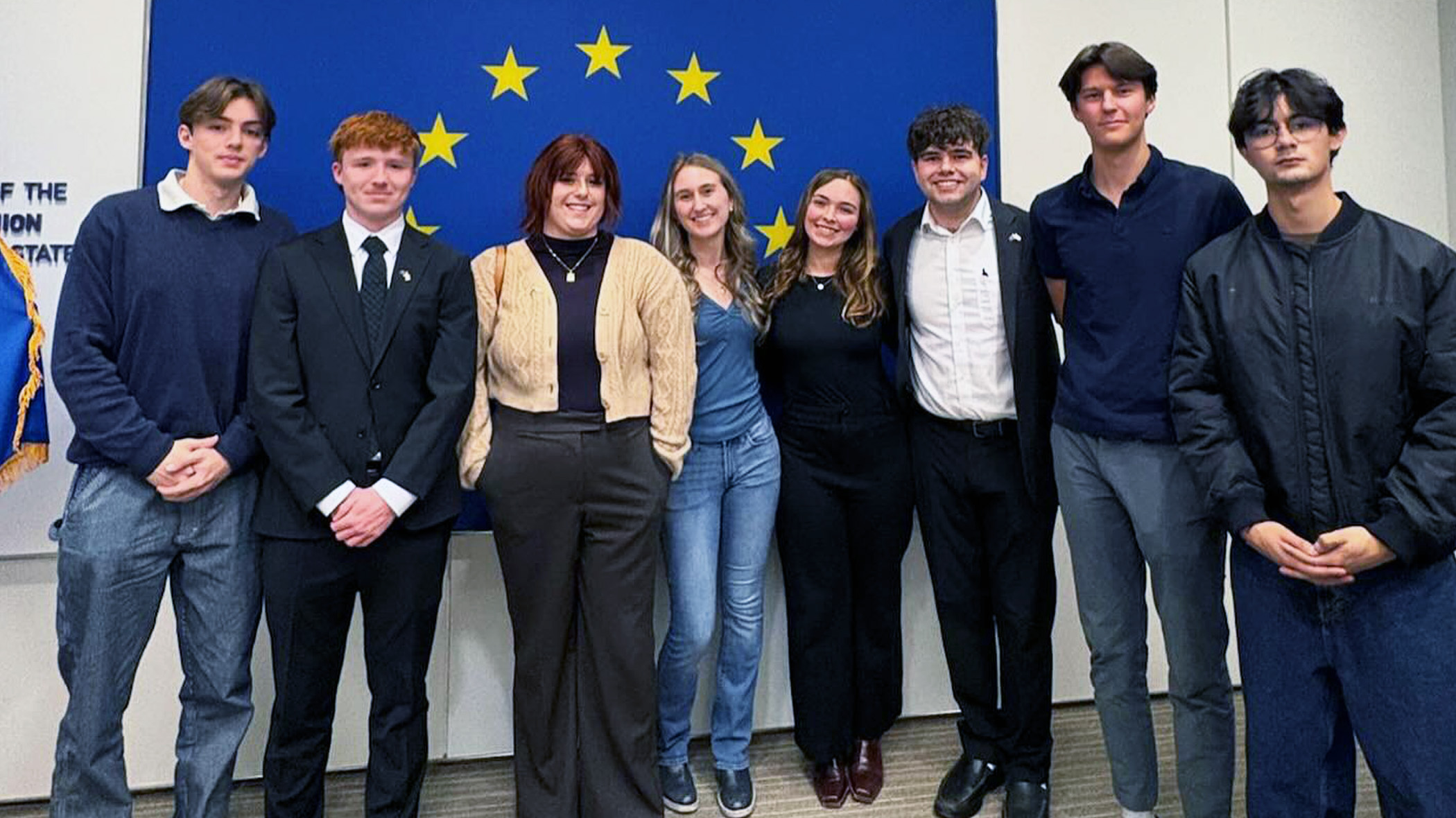
Learn about the culture, history, politics, and economies of one of the world's most dynamic regions, then apply your knowledge in a study abroad program or internship.
Learn More
Get the knowledge, skills, and hands-on experience that the Peace Corps looks for in its volunteers at one of the top-ranked Peace Corps Volunteer producing universities.
Learn More